



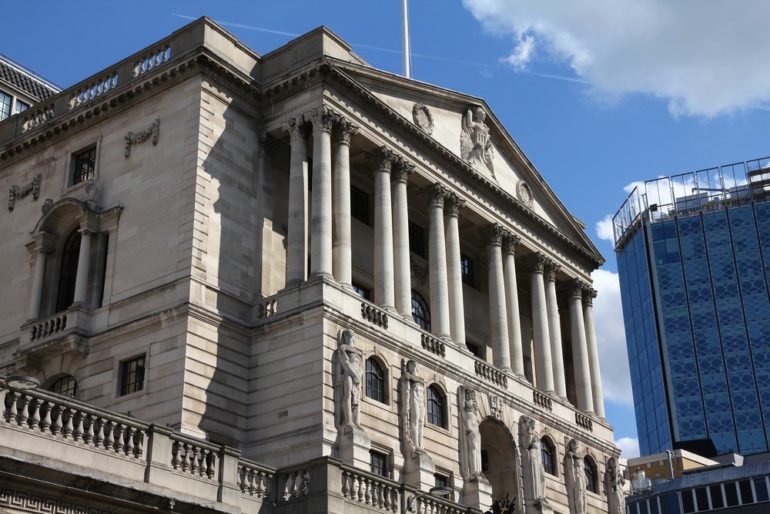
Bank of England Official Argues Against Further Interest Rate Increases.
In her final speech as an official at the Bank of England, Silvana Tenreyro, a rate-setter at the BoE, expressed her opposition to raising interest rates as a measure to curb inflation. Tenreyro had been against rate hikes since December and voted against the recent rate rise in the BoE’s last meeting. She emphasized that the tightening already underway should be sufficient to bring inflation back to, and possibly below, the target level.
Tenreyro pointed out that the economic data has yet to reflect the full impact of recent rate increases, suggesting that the central bank may have tightened policy more than necessary. She stressed the need for potential loosening to meet the inflation target, warning that further rate hikes would likely result in earlier and faster rate cuts down the line.
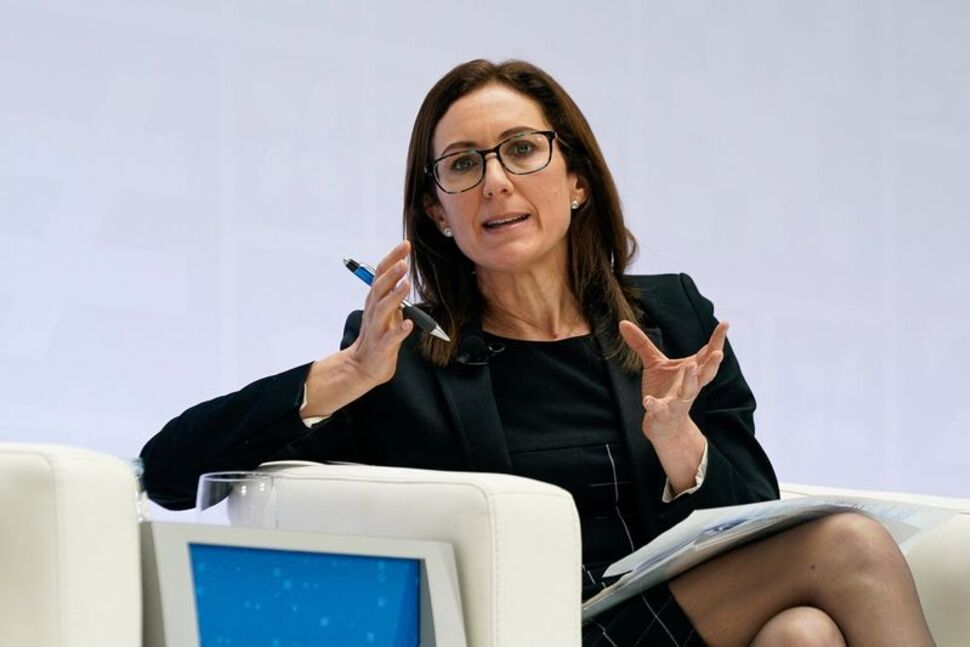

In contrast, BoE Governor Andrew Bailey raised doubts about expectations that the central bank may start cutting rates within a year. While the BoE’s forecast predicts a drop in inflation to slightly above 5% by the end of this year and below the 2% target by early 2025, some policymakers have reservations about the accuracy of the forecasting models and express concerns about higher inflation.
Bailey justified the recent rate hike to 5% due to signs of stickier inflation, supported by unexpectedly strong wage and inflation data. However, Tenreyro highlighted that the sharp tightening in financial conditions, with market interest rates soaring in recent weeks, would have a disinflationary impact that could offset the effects of the latest data, even if inflation proved to be persistent.

Looking ahead, Tenreyro noted that forward-looking indicators indicated a decline in pay growth and core goods inflation for the remainder of the year. She also discussed the surge in British inflation last year, driven by the rise in European natural gas prices following Russia’s invasion of Ukraine. However, she predicted that recent declines in energy and commodity prices would reverse this trend, aligning British inflation with the downward trajectory seen in the United States and the eurozone by the end of this year.
Tenreyro concluded by stating that while the unwinding process might take longer in the UK, the shock to companies’ cost base would eventually subside.


