

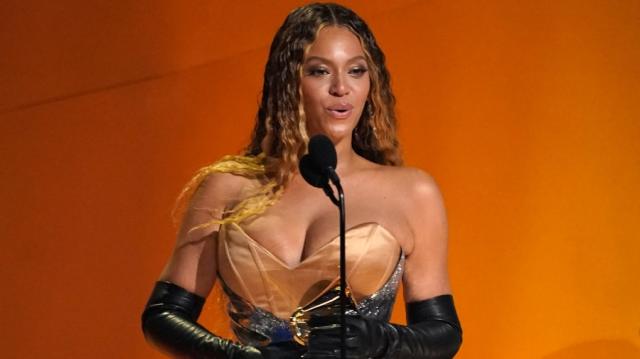
Beyoncé will donate $2 million to students and entrepreneurs during her upcoming Renaissance World Tour through her BeyGOOD Foundation.
Since its inception in 2013, the BeyGOOD initiative has undertaken numerous philanthropic endeavors in the United States and around the world, including providing aid to communities affected by natural disasters, promoting education, and supporting programs that address issues such as housing scarcity and mental health. It has also given grants to small, Black-owned businesses, which has been a priority since the beginning of the COVID-19 pandemic.
Beyoncé “identified that small businesses are essential,” Ivy McGregor, executive director of the BeyGOOD Foundation, told “CBS Mornings.” “These were businesses that intended to stay open, to keep the grocery stores open, to help those communities, so she gave grants of over $10,000 to over 900 small businesses and then elevated them socially.”


BeyGOOD will now host luncheons in cities along the Renaissance World Tour, which begins in May and is scheduled to end in September. Entrepreneurs will have the opportunity to win $1 million in grants for small businesses.
“It’s more than just a check that people will receive because we have heard from them, listened to them, and stayed in touch to understand what their needs are.” And we know that small businesses contribute to and are the backbone of their economies,” McGregor said.
The Renaissance Scholarship Fund will distribute another $1 million to ten colleges and universities along the tour route. Each school will receive $100,000 to distribute to their students.

“From scholarships to the water crisis in Burundi to assisting families in my hometown of Houston during Hurricane Harvey, it has been beyond fulfilling to be of service,” Beyoncé said in a statement. “As a foundation, we will continue to engage partners through innovative programs to reach even more people.”
Beyoncé’s Foundation provides funding to organizations that serve marginalized communities, with a focus on economic equity and education.
“We believe that everyone is entitled to economic equity.” “We are also acutely aware of the access, opportunity, and resource barriers that disproportionately affect BIPOC communities,” McGregor said in a news release. “Our work is based on the belief that education, employment pathways, and entrepreneurship support are vehicles that help drive long-term outcomes.”