

Ali Bongo Relocates to Angola as Family is Freed from Detention
Ali Bongo, the former leader of Gabon who was ousted in a 2023 military takeover, has left the country and is now in Angola, according to officials in Luanda.
In a statement shared online, the Angolan government confirmed that Bongo’s family has also been freed and reunited with him in the capital city. His wife, Sylvia, and son, Noureddin, had both been detained last year on corruption-related accusations.
Though they haven’t addressed the allegations publicly, Sylvia Bongo’s legal team has labeled her arrest unlawful and unjustified. The release, however, is being described as temporary, with Gabonese authorities citing health reasons. Legal proceedings, according to the country’s prosecutor, are still ongoing.
The shift follows a diplomatic visit by Angola’s President João Lourenço—who currently heads the African Union—to Gabon’s capital, Libreville. There, he met with current leader Brice Oligui Nguema, the former military official who took power after the coup and recently won the presidency in a sweeping victory.
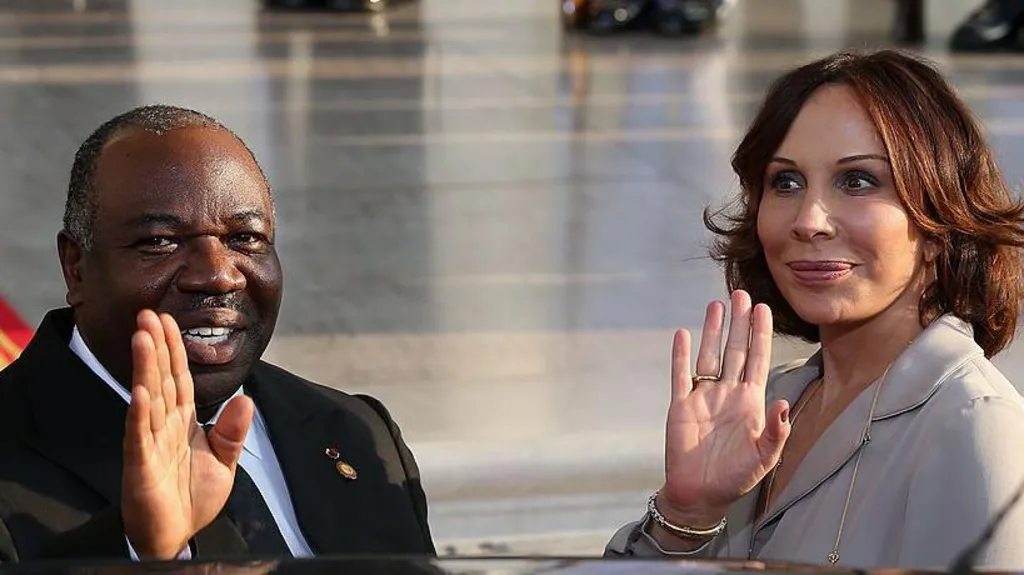
Photos from Angola show Ali Bongo stepping off the plane and being received at the airport, with a woman believed to be his wife behind him. After leading Gabon for 14 years—succeeding his father Omar, who ruled for over four decades—Bongo was placed under house arrest following the power shift. Officials claimed he was not restricted in his movement, though many doubted that.
His wife and son were imprisoned until earlier this week, when their legal team pushed for their release. The family has consistently denied wrongdoing, despite ongoing accusations of financial misconduct.
Opposition figures have criticized the initial arrests, with prominent politician Alain Claude Bilie-by-Nze saying that President Nguema was pressured by international voices to act, suggesting the detentions were more political than judicial.
Sylvia and Noureddin are accused of siphoning off public funds, with additional charges against Mrs. Bongo including document forgery and money laundering. Her husband has publicly decried their treatment, alleging abuse—claims that authorities have strongly denied.
While the Bongo family has long been accused of benefiting from Gabon’s oil wealth, critics point to the country’s high poverty rate—about one-third of the population lives in poverty despite the nation’s vast resources.
In a hopeful turn, the African Union recently welcomed Gabon back into its fold, having suspended the country’s membership after the coup. In a statement, AU Chair Mahmoud Ali Youssouf expressed optimism, saying he hoped Gabon’s progress might encourage other nations toward a return to democratic rule.
That message was directed, in part, at West African nations like Mali, Niger, and Burkina Faso, where military regimes have continued to resist calls for civilian leadership.