

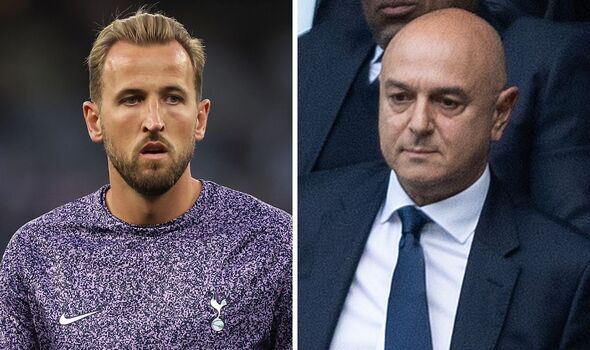
Tottenham’s Strategy and Chairman’s Approach Under Scrutiny Amidst Harry Kane Transfer Saga.
During the summer, when Manchester United was rumored to be interested in Harry Kane, insiders revealed that Bayern Munich was highly confident about securing his transfer. However, these assumptions disregarded the challenging nature of dealing with Tottenham’s chairman, Daniel Levy.
Bayern Munich discovered this the hard way as negotiations for the Kane deal stretched late into the process. Just as the player was about to board a plane, discussions were still ongoing with Tottenham regarding the final terms.
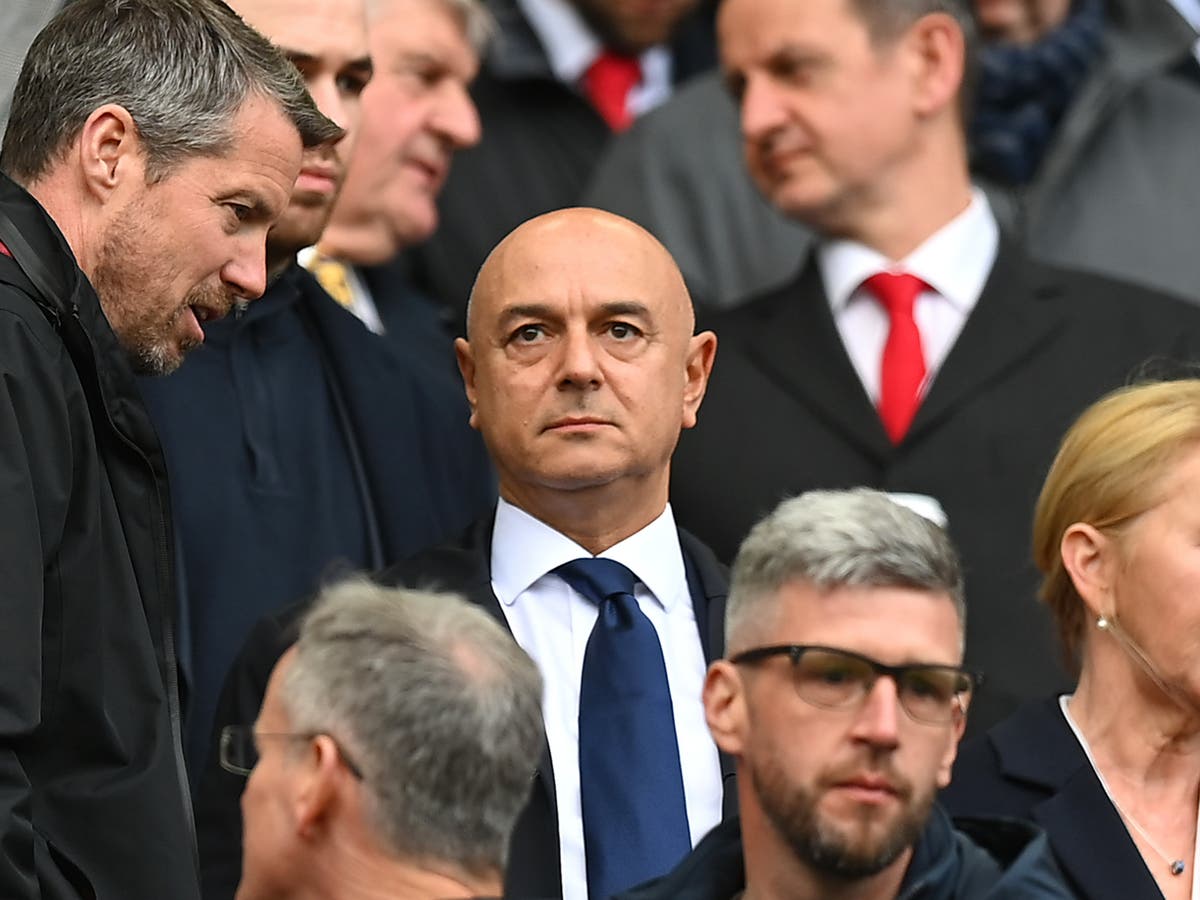
Levy has consistently emphasized that 80% of the overall deal must be guaranteed, amounting to £120 million. This stance has generated mixed opinions within the football industry and further highlighted the division he creates among Tottenham fans. The calls for “Levy out” and “get out our club” grew louder last season, echoing throughout the club’s new stadium.
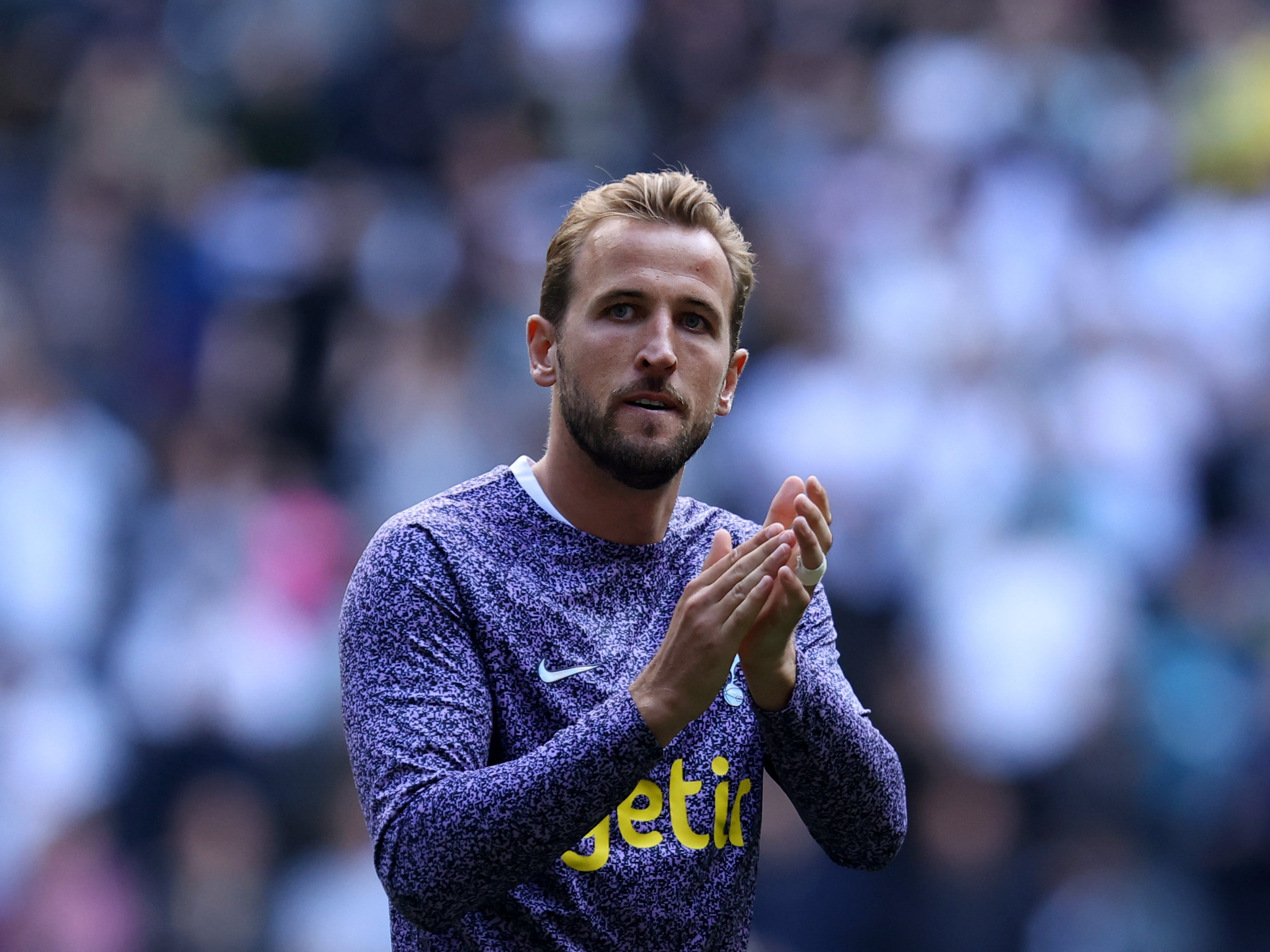

Defenders of Levy point to his gradual transformation of the club, from an underperforming entity to one of the Premier League’s “super clubs” boasting premier infrastructure. Tottenham was even part of the Super League proposal. Levy is undoubtedly skilled in long-term macro business strategy. However, critics, including many fans, argue that his football comprehension is hindered by a short-term approach.
The Harry Kane transfer saga encapsulates these dynamics. While Levy may secure the highest possible price, it could compromise the club’s ability to prepare for the future from a football perspective.
This isn’t the first time such concerns have arisen. Insiders have expressed that extracting star players from Tottenham before August 31 is a significant challenge. The situation mirrors past instances involving players like Michael Carrick, Dimitar Berbatov, Luka Modric, Gareth Bale, and now Harry Kane. Levy seeks to maximize every aspect of the deal, ramping up pressure while remaining unyielding himself.
Former player Michael Carrick shed light on what dealing with Levy can be like. In a similar situation to Kane’s in 2016, Carrick felt the need to move to Manchester United to fulfill his potential. Frustrated with Levy’s refusal to engage with Manchester United, Carrick reached out to the Spurs chairman personally. The recurring response he received was succinct.
“Well, they need to pay the money,” Levy asserted. Carrick recounted in his autobiography, “It was all about the money for Daniel, just driving the price up and up. Arguing with Daniel was pointless. I would have got more joy talking to a brick wall.”
Carrick’s efforts were met with the same response, highlighting Levy’s unwavering stance.
“Well, they need to pay the money.”
Bayern Munich is experiencing similar dynamics. A crucial question is whether Levy’s singular approach risks backfiring, particularly when seen from the opposite perspective.
Mauricio Pochettino’s regrets about not elevating Spurs to Liverpool’s level serve as a poignant example. Pochettino attributes this missed opportunity to the club’s reluctance to invest sufficiently during the 2017-18 season. While Tottenham and Liverpool were at a similar level, Jurgen Klopp’s significant investments in players like Alisson and Virgil van Dijk propelled Liverpool to title victories.

Pochettino requested some players, including Sadio Mane, whom Liverpool pursued. However, Levy believed in a more sustainable approach with a focus on youth development. The clubs’ trajectories diverged, leading Liverpool to titles while Tottenham stagnated and eventually parted ways with Pochettino. This sequence illustrates how Levy’s resistance to targeted investments at critical junctures could impede progress.
Similar themes emerged in player sales at Tottenham. Pochettino recognized the need for a squad overhaul as early as 2017 to prevent staleness. Levy’s insistence on high prices for players like Danny Rose hindered squad rejuvenation, revealing a potential false economy.
Levy’s defenders, of which there are many in the football community, argue that his approach stems from a longer-term perspective. Evidence of Tottenham’s growth, including the impressive stadium, supports this viewpoint. Sources linked to the Super League initiative suggest that it was Levy’s business acumen that secured Tottenham’s participation.
This sharp contrast in perceptions contributes to the divisive nature of Levy’s role. He excels in the business aspect but struggles to grasp the football side.
This issue becomes prominent when sources claim Levy becomes deeply involved in deals. The appointments of the three successors after Pochettino, all failing to align with Tottenham’s philosophy, reflect a misdirection. These appointments, including Jose Mourinho and Antonio Conte, hint that Levy’s focus on big names overshadowed Tottenham’s identity as a platform for emerging players and managers, not yet among the elite clubs.
Critics of Levy in football take this criticism further, attributing much of his behavior to ego. They suggest he needs to be engaged and secure the best deals.
This approach could prove detrimental for Tottenham, as it affects football preparation. The saga of Kane’s negotiations brings this issue full circle.
Levy’s insistence on not selling to English clubs due to competition has discouraged interested parties like Manchester United, hesitant to engage in protracted dealings with him again.
But what has this strategy yielded? Had Tottenham acknowledged their position below United and embraced a reality-based approach, they might have triggered an auction for Kane, driving the price even higher. This demonstrates Kane’s immense value. While Bayern Munich will pay the price, one wonders if this comes at a cost to Tottenham, not just for losing a club legend but for the broader impact on the team’s future.