


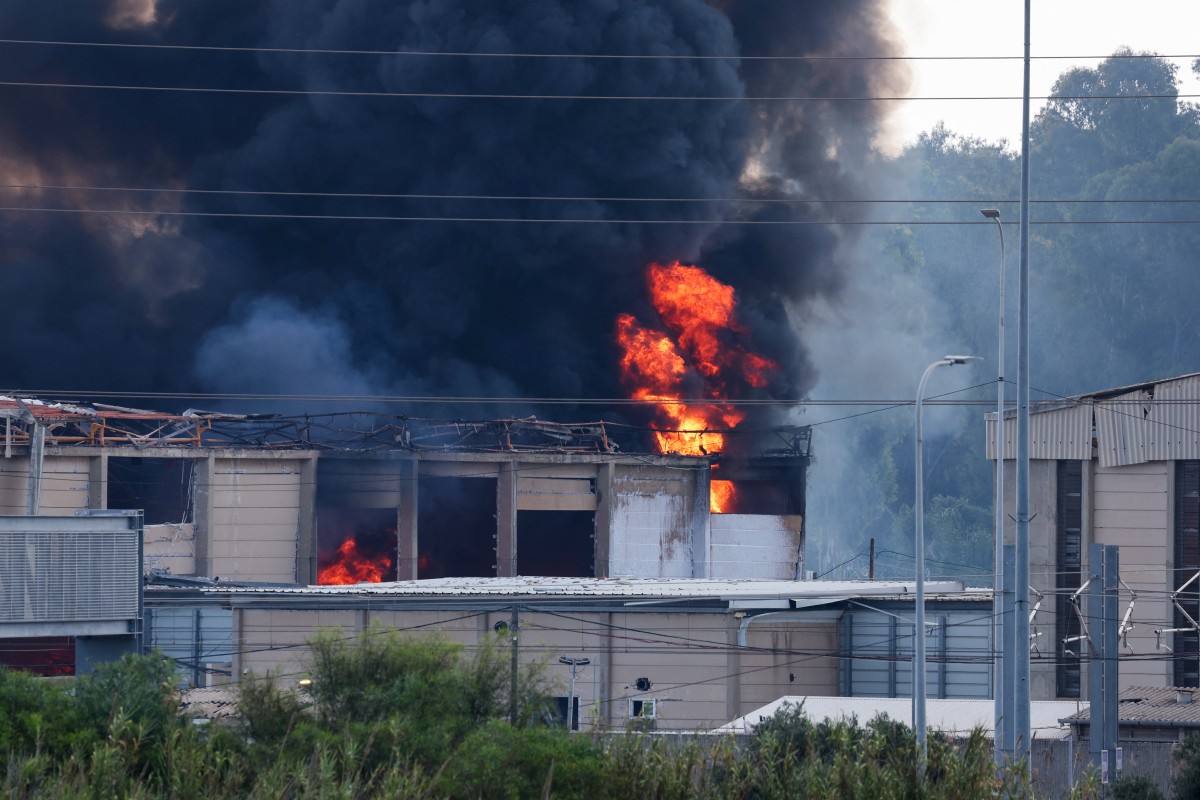
Tensions between Iran and Israel may finally be cooling—at least for now.
On Tuesday, U.S. President Donald Trump announced that a ceasefire was in place, urging both nations to hold their fire. “THE CEASEFIRE IS NOW IN EFFECT. PLEASE DO NOT VIOLATE IT!” he posted on his Truth Social account.
According to Trump, the plan was to begin with Iran halting operations around 4 a.m. GMT, followed by Israel stepping back twelve hours later. But the situation on the ground remained chaotic.
In Israel, emergency crews reported casualties just before the ceasefire was supposed to take effect. A missile strike left four people dead, including three in Beersheba, according to rescue officials.
Iranian media had earlier broadcast warnings of missile launches headed toward Israeli territory, even as Iranian officials stated that no formal ceasefire had been reached. Foreign Minister Abbas Araghchi posted that Iran was open to stopping its response—if Israel ended its airstrikes by 4 a.m. Tehran time.


Meanwhile, Israel’s military confirmed continued alerts in its northern region as Iran’s missiles rained down. Explosions were also heard in Tehran overnight, with journalists describing them as some of the most intense since fighting began.
The hostilities began when Israel launched surprise strikes on Iranian military and nuclear facilities on June 13. That triggered a series of retaliations, dragging in the United States and pushing the region to the edge of a wider war.
Earlier this week, Iran fired missiles at the Al Udeid Air Base in Qatar, the largest U.S. base in the Middle East. President Trump downplayed the move, calling it “very weak,” and claimed Iran had warned the U.S. ahead of time.
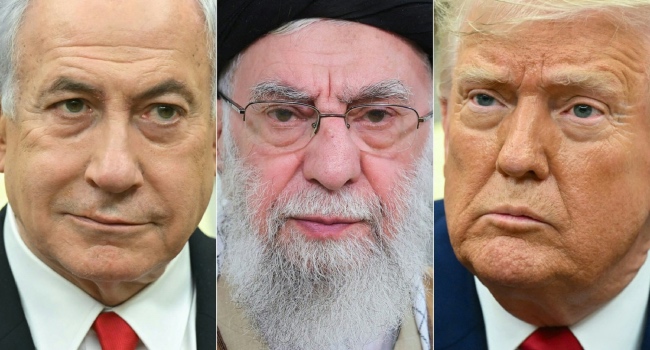
Iran’s National Security Council confirmed the strike, stating it was a measured response to U.S. attacks on its nuclear sites. Officials insisted they matched the scale of U.S. bombings and were not aiming to escalate.
“This was a calculated move—not meant to kill Americans, but to send a message,” explained Ali Vaez of the International Crisis Group.
U.S. forces had recently joined Israel’s campaign, hitting Iran’s underground uranium facilities with heavy bombs. In response, global leaders began voicing concern. France’s Emmanuel Macron said the chaos must stop, while China cautioned about the potential ripple effect on the global economy.
While Iran claimed its attack was not directed at Qatar, the Qatari government wasn’t buying it. Officials in Doha described the strike as a direct attack and reserved the right to respond.
State media in Iran reported that six missiles had hit the U.S. base, which had been evacuated in advance. Observers in Doha and Lusail said they saw flashes across the night sky and heard blasts shake the cities.
Celebrations erupted in Tehran after the strikes, with crowds waving Iranian flags and chanting anti-American slogans.
Qatar temporarily shut down its airspace, and several embassies advised their citizens to stay indoors.
So far, over 400 people have died in Iran from Israeli strikes, according to Iranian health officials. Israel reports at least 24 deaths from Iranian attacks.
Whether this ceasefire holds—or is just a pause in an ongoing crisis—remains to be seen.