



Pretoria, South Africa – President Cyril Ramaphosa’s recent statement regarding South Africa’s non-aligned position in relation to Russia has not only captured the attention of the nation but also set social media abuzz with a flurry of engaging discussions, memorable posts, and thought-provoking debates. The President’s remarks shed light on South Africa’s commitment to maintaining an impartial global stance, adding a human interest element to an otherwise diplomatic announcement.
Addressing reporters at the Union Buildings, President Ramaphosa emphasized that South Africa’s foreign policy is guided by the principles of non-alignment, emphasizing the importance of cultivating mutually beneficial relationships with all nations. While acknowledging the significance of South Africa’s diplomatic ties with Russia, he clarified that the country’s policies will not be swayed by any specific alignment.
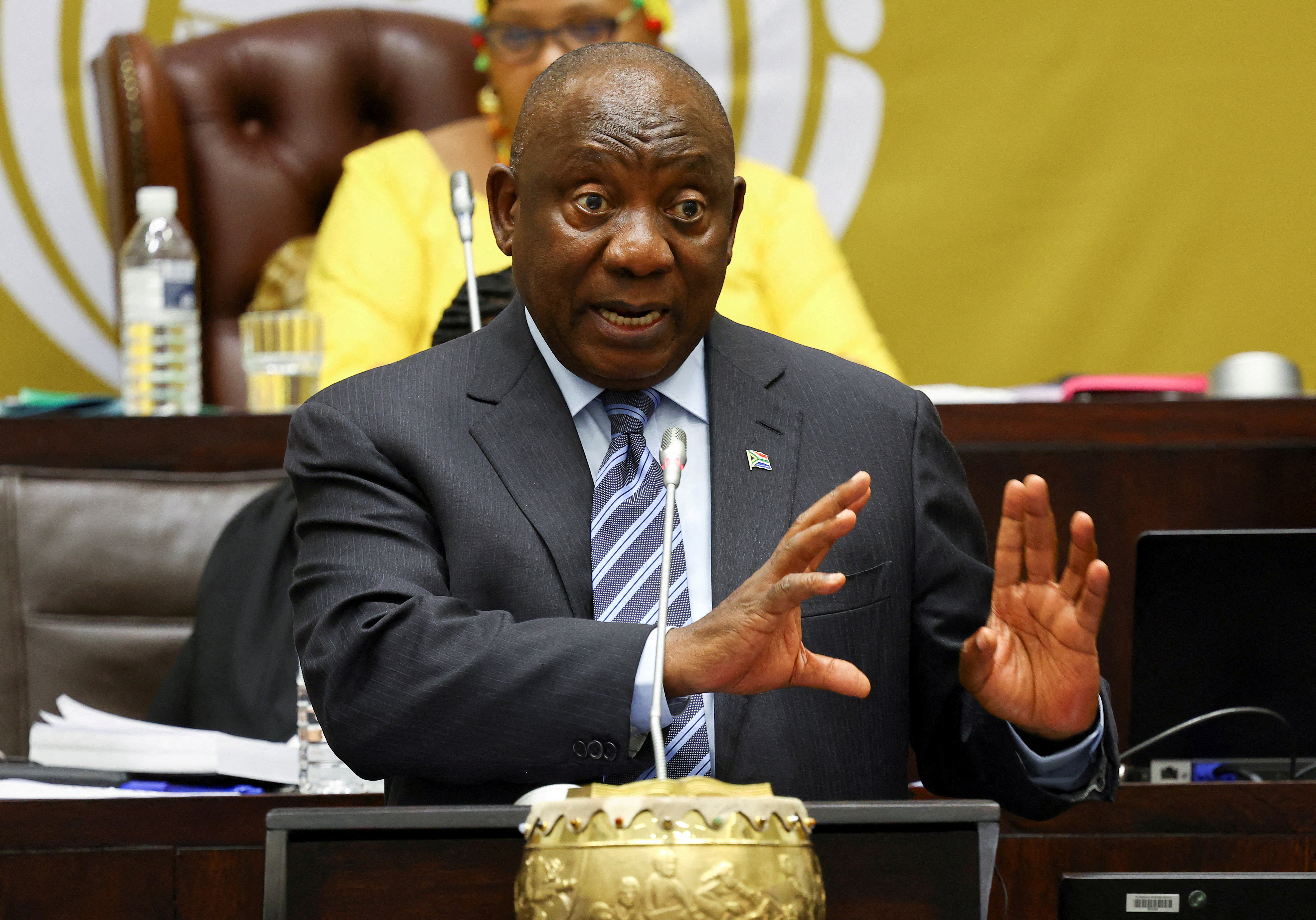

The President’s statement swiftly made its way onto various social media platforms, igniting an array of reactions from citizens across South Africa. Hashtags such as #NonAlignmentMatters and #SouthAfricaRussiaRelations began trending, drawing attention to the topic and inviting individuals to share their perspectives.
Supporters of the President’s non-aligned stance praised the commitment to maintaining an independent foreign policy that aligns with South Africa’s national interests. Memes and entertaining posts flooded social media channels, showcasing the wit and humor of South Africans as they engaged with the complex topic at hand.
However, dissenting voices also emerged, with some arguing that forging stronger ties with Russia could bring economic benefits, defense partnerships, and strategic advantages to South Africa. Debates flourished in the comment sections, with users delving into historical context, geopolitical analyses, and personal anecdotes to substantiate their viewpoints.
Notable social media influencers, political commentators, and experts chimed in, offering their insights on the potential impact of South Africa’s non-aligned position on various sectors, including trade, investment, and international diplomacy. The discussions garnered significant attention on platforms like Facebook and LinkedIn, generating an engaging and informative atmosphere.
The human interest aspect of the online conversations was evident through the stories shared by South Africans with personal connections to Russia. These accounts ranged from tales of family ties and cultural exchanges to anecdotes of successful business collaborations, adding depth and emotional resonance to the ongoing discourse.

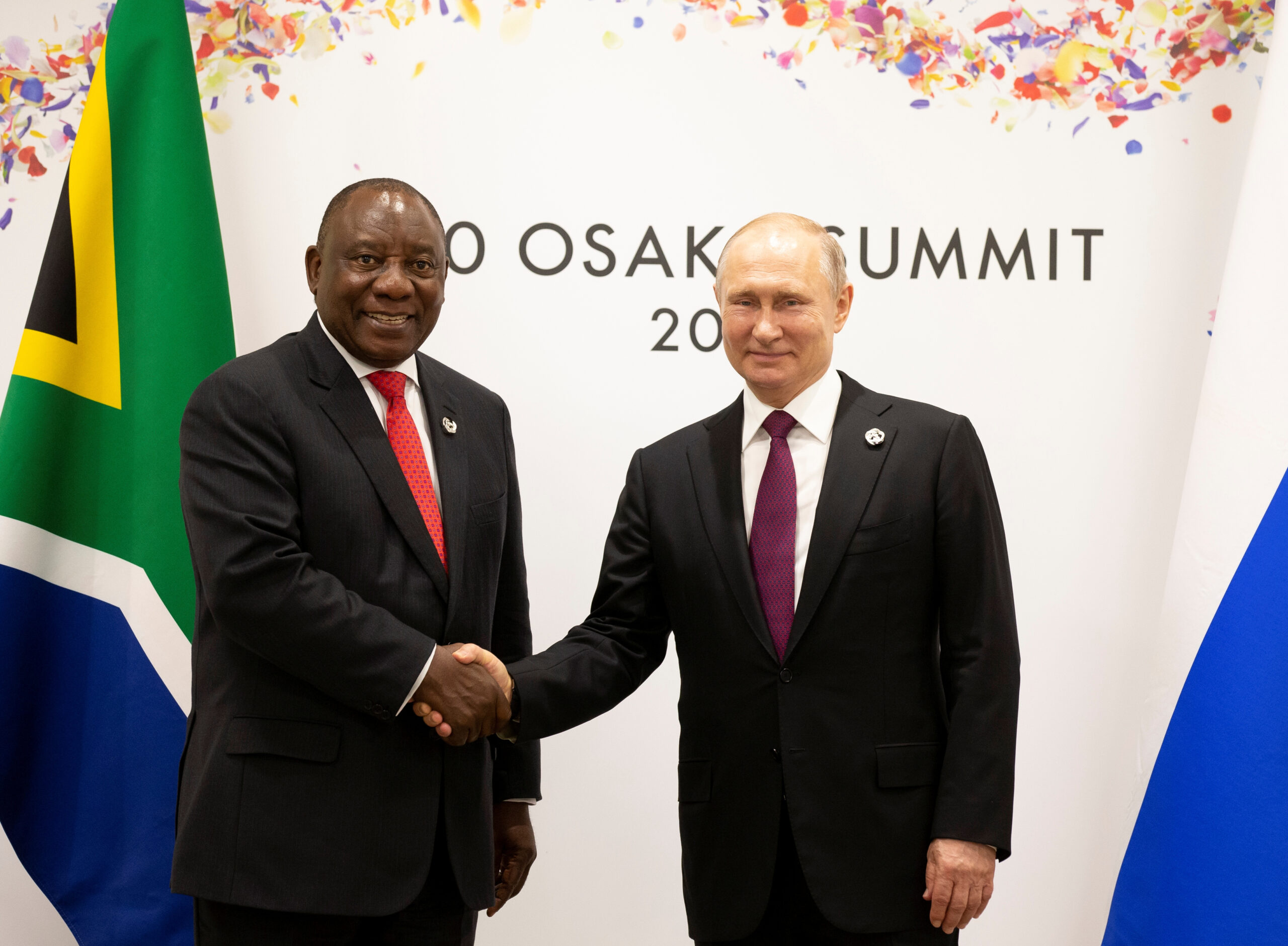
The social media discussions also provided a platform for citizens to voice their aspirations for a prosperous South Africa, often branching out to encompass broader debates about the country’s foreign policy priorities. Unemployment, healthcare, and education emerged as pressing domestic concerns, further emphasizing the relevance of informed civic participation.
Amidst the online debates, the power of social media in shaping public opinion and fostering robust discussions was evident. The influence of digital platforms in modern society was palpable as citizens expressed their viewpoints and engaged with one another on matters of national and international importance.
President Ramaphosa’s affirmation of South Africa’s non-aligned position regarding Russia has ignited a dynamic exchange of ideas on social media, showcasing the diversity of perspectives and the nation’s desire for a balanced approach to international relations. The ongoing conversations serve as a reminder that decisions made at the highest levels of government significantly impact the lives of ordinary citizens, highlighting the importance of an engaged and informed populace.
As South Africans continue to participate actively in online discussions, the impact of social media on public discourse and awareness remains prominent. Memorable posts, thought-provoking debates, and the human interest elements embedded within these conversations underscore the significance of citizen engagement in shaping the nation’s trajectory.


