



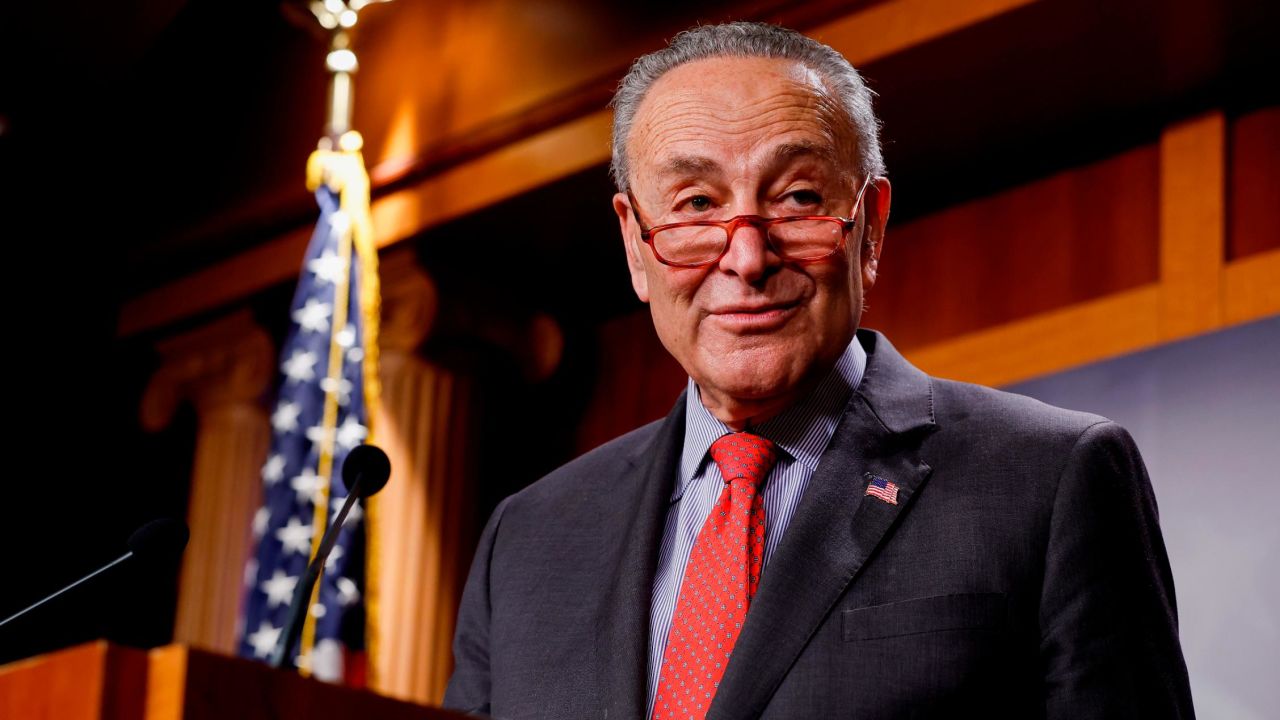
Late Thursday evening, the Senate passed a bill suspending the nation’s debt limit until January 1, 2025, averting the first-ever US default just days before the deadline.
The measure was already passed by the House earlier this week, and it can now be sent to President Joe Biden for signature. Just moments after the Senate passed the debt limit bill, Biden praised Congress and stated, “I look forward to signing this bill into law as soon as possible.” On Friday, the president will deliver a speech to the nation about avoiding default.
Suspending the debt ceiling until 2025 removes the threat of default until after the presidential election. Aside from raising the debt ceiling, the bill limits non-defense spending increases work requirements for some food stamp recipients, and claws back some Covid-19 relief funds, among other policy provisions. The bill was approved by a vote of 63 to 36 in the Senate.
As the threat of default loomed, the timeframe for passing the bill through Congress was extremely tight, with little room for error, putting enormous pressure on the leadership in both parties.
To get the bill passed, lawmakers raced against the clock to avoid a default before June 5, when the Treasury Department warned that the country will no longer be able to pay all of its obligations in full and on time – a scenario that could lead to global economic disaster.
The White House and House Republicans reached a bipartisan debt-limit agreement, the culmination of long days and late nights of contentious negotiations that threatened to break down and fall apart entirely.

The debt limit bill was met with opposition from both the far left and far right, but it ultimately received support from a sizable number of lawmakers on both sides of the aisle.
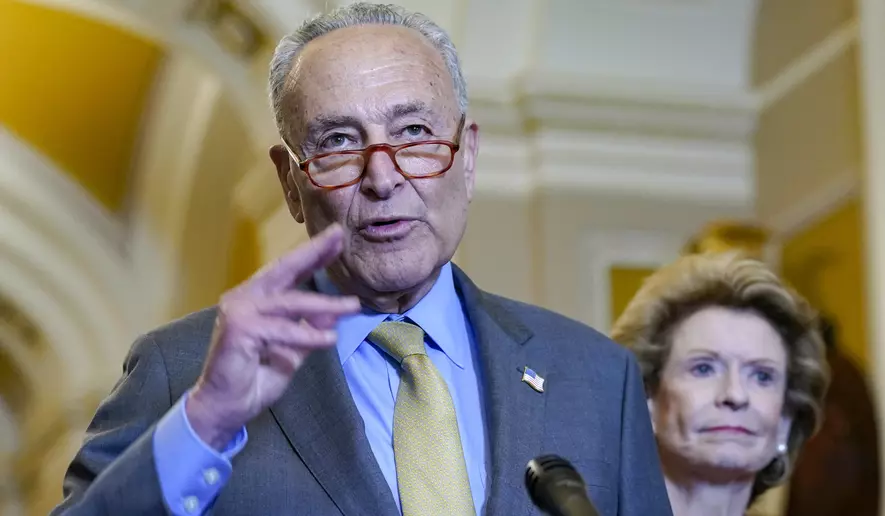
After the Senate passed the bill, Senate Majority Leader Chuck Schumer praised the Democrats’ role in the debt ceiling agreement.
“We may be a little tired, but we did it,” Schumer said. “As a result, we’re overjoyed. Default was the giant sword hanging over America’s head, but thanks to President Biden’s efforts, as well as the efforts of Democrats in the House and Democrats in the Senate, we are not defaulting.”
Senate Minority Leader Mitch McConnell issued a statement following the agreement’s passage, stating that “an important step toward fiscal sanity will finally become law.”
The bill was approved by the House on Wednesday by a vote of 314 to 117.
More details of what’s in the bill
Aside from raising the debt limit, the bill contains a slew of other provisions.
According to the House GOP, the legislation will rescind approximately $28 billion in unobligated funds from the Covid-19 relief packages passed by Congress in response to the pandemic.
According to a White House source, it will retain $5 billion in funding to accelerate the development of Covid-19 vaccines and treatments, as well as funding for vaccines and treatments for the uninsured.

The package will also tighten the current work requirements in the Temporary Assistance for Needy Families program, primarily by adjusting the work participation rate credits that states can receive in exchange for reducing their caseloads.
Work requirements in Medicaid will not be implemented, as House Republicans had requested in their debt-ceiling bill.
According to a source familiar with the plan, borrowers will be required to begin repaying their student loans by the end of the summer, as the Biden administration has already announced. The pause has been in effect since the start of the Covid-19 pandemic.
According to a White House source, the package also includes new measures in the National Environmental Policy Act aimed at improving the coordination, predictability, and certainty associated with federal agency decision-making.
It will appoint a single lead agency to develop a single environmental review document, and it will also require agencies to complete environmental reviews within one year, or two years for the most environmentally complex projects.


