



Tensions remained high in Senegal on Saturday, after new overnight clashes raised the death toll to 15 in the two days since an opposition leader, Ousmane Sonko, was convicted by a court.
Sonko’s ongoing legal problems have sparked rare outbreaks of violence in Senegal, a typically stable West African country, and foreign allies have urged a return to calm.
Sonko, a 48-year-old former tax inspector, was charged with rape but was found guilty on a lesser charge of morally “corrupting” a young woman and sentenced to two years in prison.
He claims the charges were brought against him to derail his political career ahead of the presidential election next year.
His conviction may disqualify him from running in the 2024 election.
Clashes between Sonko supporters and police ensued following the ruling on Thursday, killing nine people.
Businesses and shops were looted.
The army was deployed to the streets, but new clashes erupted on Friday night in parts of Dakar and Ziguinchor.
They killed six more people, according to government spokesman Maham Ka.

Burned-out cars, tyres, and debris-strewn streets bore witness to yet another night of carnage.
The government has admitted to restricting access to social media platforms such as Facebook, WhatsApp, and Twitter in order to prevent the “dissemination of hateful and subversive messages.”
According to government spokesman Abdou Karim Fofana, the violence was not fueled by “political demands,” but by “acts of vandalism and banditry.”
“These are difficult times for the Senegalese nation that we will overcome,” he told TFM.
– Arrest looming –
Sonko, who was tried in absentia, has yet to be taken into custody for his prison sentence, which is expected to exacerbate tensions.
He is believed to be at his Dakar home, where he has been barred from entering since the weekend. He claims he is being “illegally detained.”
Sonko, who is sharp-tongued and charismatic, has a large following among Senegal’s youth, who enjoy his jabs at the “state mafia” political elite.
He has criticized debt, poverty, food insecurity, underfunded health and education systems, and corruption.
Sonko, who has two wives, presents himself as a devout Muslim and defender of traditional values and has advocated for harsher punishments for same-sex relationships.
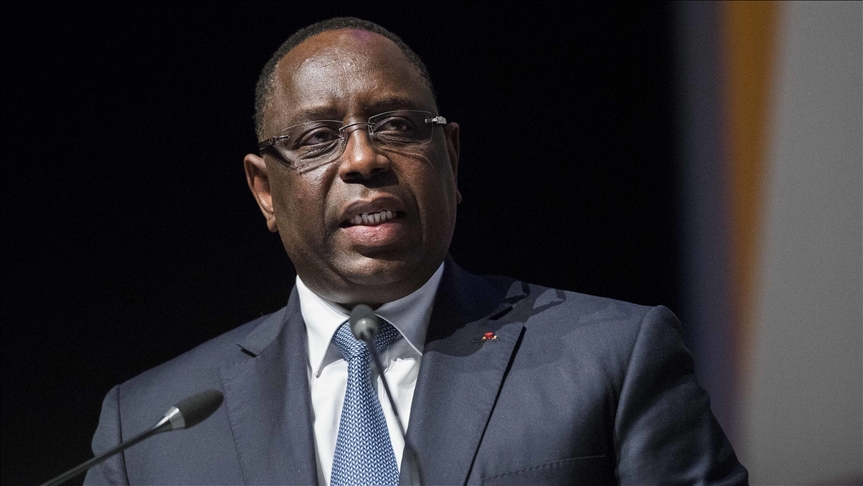
Supporters of President Macky Sall, on the other hand, see him as a tyrant who has poisoned political discourse and sowed instability.
Residents of Dakar interviewed by AFP expressed concern about the possible consequences of his arrest.
“I am really scared because we don’t know how this will all end,” said Fatou Ba, a businesswoman in Dakar’s Dalifort neighborhood, 46.
“If they want peace, they won’t go and fetch Sonko,” she added.


Matar Thione, 32, of Dalifort, said he felt unsafe in the country.
“If the protests continue, life will become even more difficult,” he predicted.
Students have been forced to flee the capital’s main university campus after violent clashes caused widespread devastation.
“We weren’t expecting this. “We shouldn’t be concerned about politics,” said Babacar Ndiaye, a 26-year-old student.
“But there is injustice,” he added, referring to Sonko’s incarceration.
‘Proud’ democracy –
On Friday, UN Secretary-General Antonio Guterres condemned the violence and urged “all those involved… to exercise restraint.”
The African Union said the violence was strongly condemned by the head of its executive commission, Moussa Faki Mahamat, and urged leaders to avoid acts that “tarnish the face of Senegalese democracy, of which Africa has always been proud.”
The European Union and France, Senegal’s former colonial power, both expressed concern about the violence.
Amnesty International has urged authorities to end “arbitrary arrests” and lift restrictions on social media access.


