



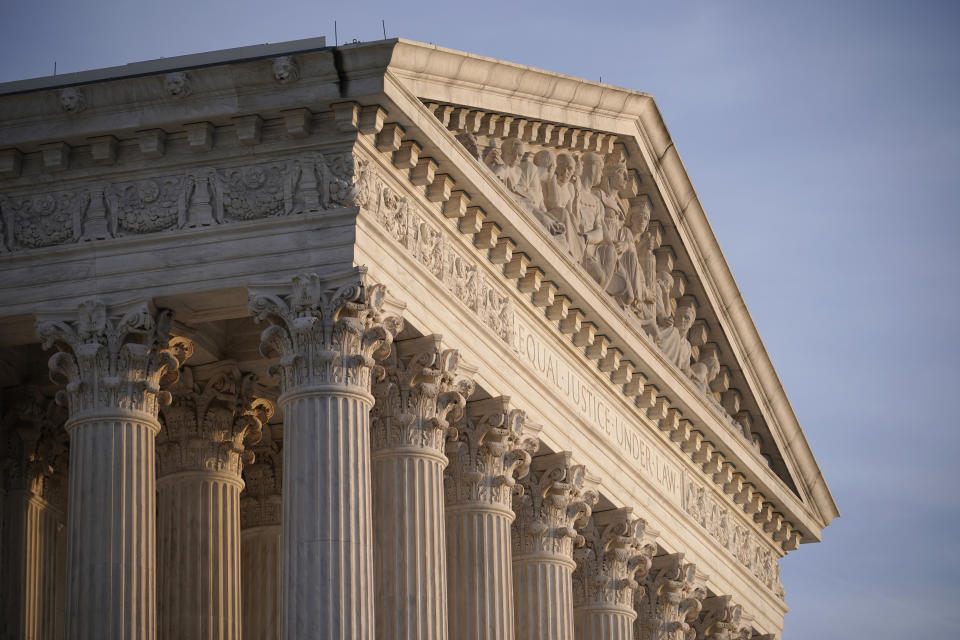
The United States Supreme Court gave whistleblowers a boost on Thursday in their bid to resurrect lawsuits accusing pharmacy operators of knowingly overbilling government health insurance programs for prescription drugs at taxpayer expense.
In a 9-0 decision, the justices overturned a lower court ruling that said pharmacies could not be held liable for fraud in whistleblower cases brought against Safeway Inc, which is owned by Albertsons Companies Inc (ACI.N), and SuperValu Inc, which is owned by United Natural Foods Inc (UNFI.N).
The question was whether companies could avoid liability for fraud by demonstrating that an “objectively reasonable” interpretation of the law supported their actions – regardless of whether they truly believed that interpretation at the time of the alleged wrongdoing.
The lawsuit was filed under the False Claims Act (FCA), which allows individuals to sue on behalf of the United States government when they have evidence of fraud against federal programs.
The whistleblowers, who sought monetary damages, accused the companies of offering prescription drugs at reduced prices to most customers who paid out of pocket while charging the government higher rates. Pharmacies are reimbursed by government healthcare programs for dispensing covered drugs to beneficiaries.
The ruling’s conservative author, Justice Clarence Thomas, stated that “what matters for an FCA case is whether the defendant knew the claim was false,” adding that “it does not matter whether some other, objectively reasonable interpretation” exists.
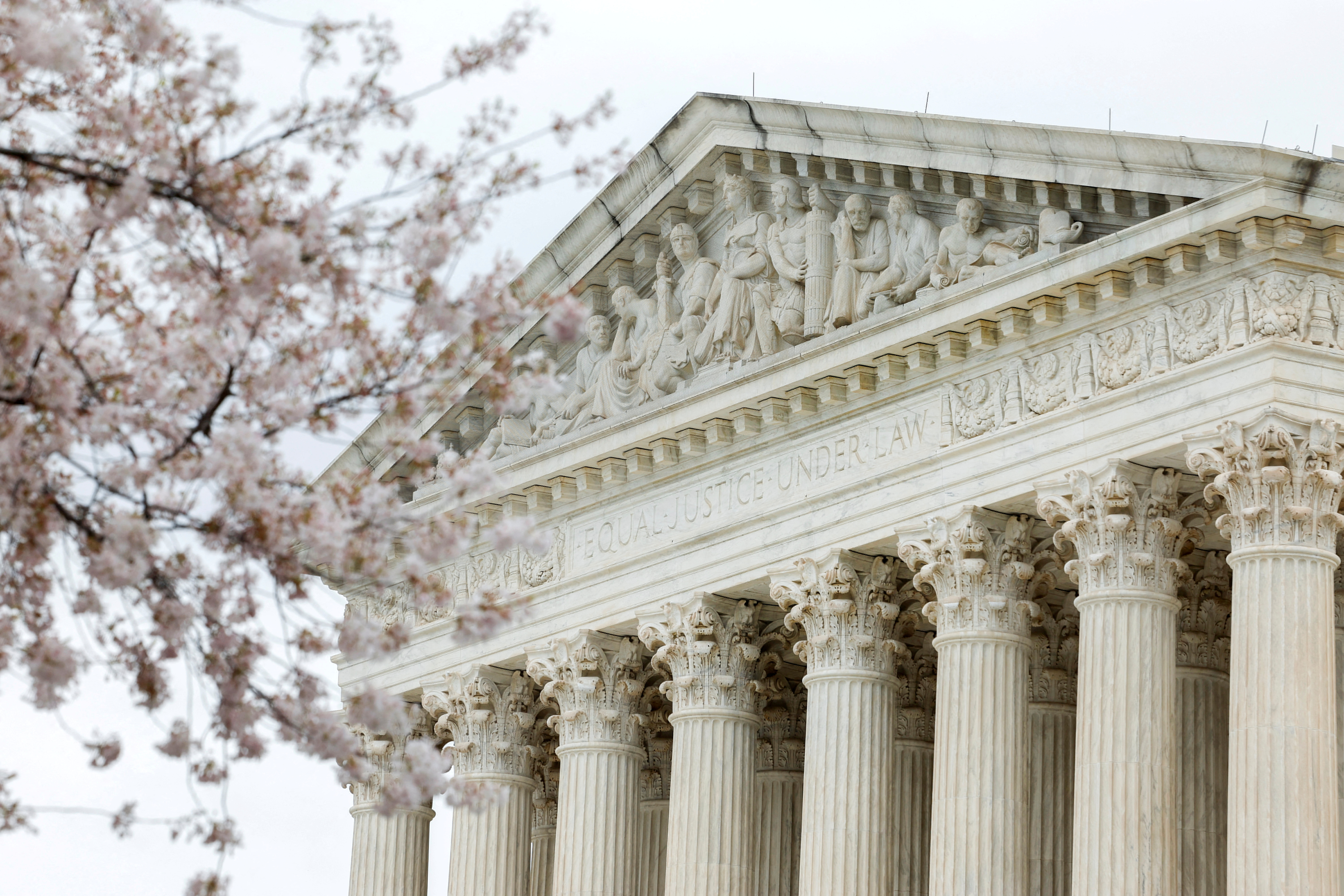

Whistleblower Thomas Proctor filed a lawsuit against Safeway, while Tracy Schutte and Michael Yarberry filed a lawsuit against SuperValu.
A Supreme Court ruling against whistleblowers, according to whistleblower advocacy groups and a number of states, would make it easier for fraudsters to avoid accountability for filing false claims to the government and risk undermining state-managed Medicaid programs.
According to the whistleblowers, federal law requires pharmacies to bill Medicare and Medicaid at the same prices they charge the general public under a rate known as a pharmacy’s “usual and customary” price. They also claimed that both companies were well aware that they were defrauding the government and worked hard to conceal their pricing practices.
The companies attempted to defend themselves against whistleblower lawsuits by claiming that Medicare and Medicaid billing requirements were unclear and that their practices were supported by a reasonable interpretation of the law.
The 7th U.S. Circuit Court of Appeals in Chicago ruled in favor of the companies. The 7th Circuit ruled that the pharmacy operators could not be held liable for fraud because the law was “objectively reasonable” in their favor – even if they did not actually believe that interpretation.
The administration of President Joe Biden supported the whistleblowers in their Supreme Court appeal. Lawyers for the administration urged the Supreme Court to overturn the 7th Circuit decision, claiming it undermined the False Claims Act.


