



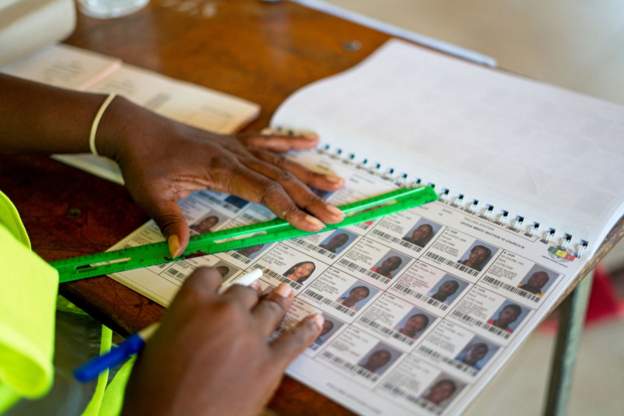
The Predictable Dance of Zimbabwe’s Elections: Familiar Tune with Surprises
Every five years, Zimbabwe’s elections play out like a recurring melody, echoing the nation’s democratic process. Amid the fervent campaigns, citizens receive fleeting attention from their MPs, complete with celebratory regalia, and even food as they head to the polls.
However, the outcome often follows the expected script – the Zanu-PF party, which has held power since independence, typically maintains its firm grip on the presidential seat.
Nonetheless, this election season has brought about a few unexpected twists as early parliamentary results trickle in.
In a surprising twist, Floyd Mayweather Jr., the renowned American boxer, ventured into Zimbabwe last month, responding to an invitation from political hopeful Scott Sakupwanya. While residents of Mabvuku, a traditional opposition stronghold in the capital city, Harare, enthusiastically greeted the boxing legend during his visit to local gyms, they ultimately rejected the Zanu-PF candidate at the polls.

Sakupwanya, who had invited Mayweather, is now likely to return to his successful pursuit of gold mining, the source of his wealth.
Conversely, some candidates have taken defeat hard. In Chinhoyi, situated to the northwest of Harare, a losing representative from the ruling party, Thomas Chidzomba, went to the extreme of locking up a borehole he had funded for a community in need of water, simply because they voted for his opponent. On the other hand, Leslie Mhangwa from the main opposition Citizens Coalition for Change (CCC) party retained his seat.
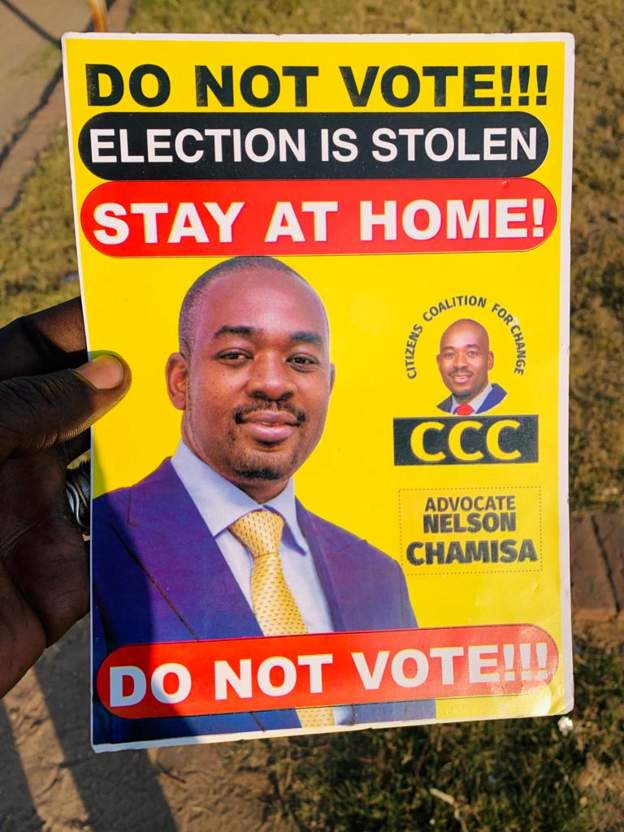
On election day itself, the streets of Harare’s bustling southern neighborhoods were eerily quiet, resembling a tranquil Sunday morning. However, the pavements were strewn with pamphlets urging residents to “stay at home” due to claims of impending rigging. This misinformation purported to be from CCC leader Nelson Chamisa, illustrating the recurring tactics of such campaigns.
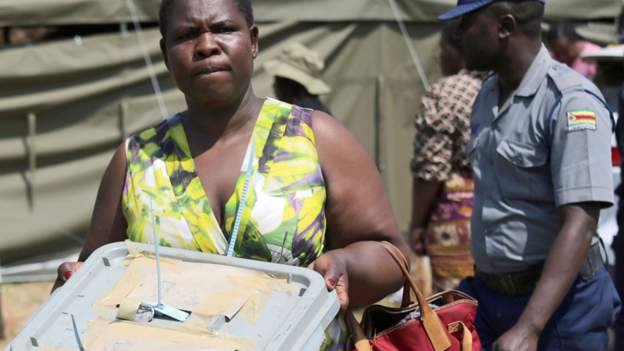

In the intricate game between the ruling party and the opposition, the electoral commission, appointed by the government, is expected to act as the impartial referee. Yet, anecdotes and evidence showcase a disconcerting lack of competence on the part of the commission. In some areas, the absence of sufficient ballot papers and other necessary supplies led to the extension of voting into a second day.
One poignant incident involved a single mother in Harare’s Kuwadzana suburb. Eager to cast her vote, she left her two toddlers alone at home, registered to vote nearby. However, after waiting four hours for ballot papers to arrive, she reluctantly gave up and returned home as the sun began to set, knowing she had to care for her children.
While this election cycle’s violence has not reached the devastating heights of previous elections, the familiar question remains: will it be a peaceful aftermath or a turbulent one? Zimbabweans are hoping that the haunting echoes of bullets from the past, like the tragic events of August 2018, won’t resound again. Back then, at least six individuals lost their lives as troops intervened to quell protests in the capital. As the melody of democracy plays out once more, citizens hope for harmony rather than discord.


