



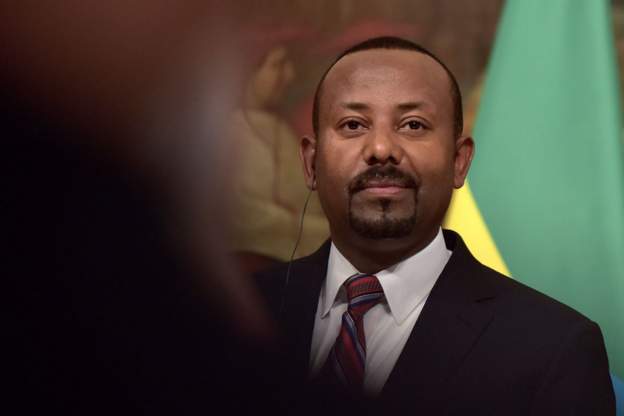
Ethiopian Prime Minister Abiy Ahmed described the peace agreement signed between his government and fighters from the northern Tigray region as a “positive step,” adding that his government would also meet with other armed groups.
Mr. Abiy was speaking to members of parliament in Addis Abeba on Tuesday. Several lawmakers expressed concern during the session about growing insecurity in other parts of the country, widespread corruption, and the cost-of-living crisis.
Several efforts have been made in recent months to reach out to the Oromo Liberation Front (OLF), an insurgent group based in Ethiopia’s Oromia region, in order to reach a peaceful resolution, he said.
There has been no immediate response from the OLF to the prime minister’s claim.
More than 500,000 people are thought to have died in Tigray and neighboring regions during the two-year civil war.
Human rights violations, some of which may amount to war crimes, have been repeatedly reported, according to the UN.

Mr. Abiy stated that “a lot more” needed to be done in the country’s north to achieve total peace. He added that “it takes time to heal” post-conflict scars. “Peace, like war, necessitates bravery.”
An opposition lawmaker questioned whether Mr. Abiy would be willing to face accountability for serious crimes committed during conflicts, such as ethnic cleansing, and whether he would resign in the face of growing public dissatisfaction, as his predecessor Hailemariam Desalegn did. The suggestion was rejected by the Prime Minister.
He also stated that his administration was working to ensure transitional justice in the aftermath of violent conflicts.
In his lengthy speech, the prime minister criticized some media outlets, without naming them, calling them “forces of destruction.”
According to rights groups, Ethiopia’s press freedom has deteriorated in recent years.


