


Bard chatbot operates in a similar manner to OpenAI’s ChatGPT, in that users prompt it with a question or task, such as creating a recipe or planning a road trip, and it generates a response.
Many companies are rushing to explore this exciting new space as the buzz surrounding generative AI grows. Google is the most recent to jump on board, having recently revealed that it will be offering open access to its chatbot called Bard. Google has now announced that it will grant experimental limited access to Bard for select users in the US and UK and would be extended to more countries going forward.
Google claims that Bard can improve users’ productivity, creativity, and curiosity. The chatbot works similarly to OpenAI’s ChatGPT in that users ask it a question or assign it a task, such as creating a recipe or planning a road trip, and it responds.
Bard is an independent search engine that generates textual responses based on prompts.
Unlike ChatGPT, however, Bard provides several versions or “drafts” of its answers from which the user can choose. Additionally, users can ask follow-up questions or repeat their initial questions if they are not satisfied with the responses provided.

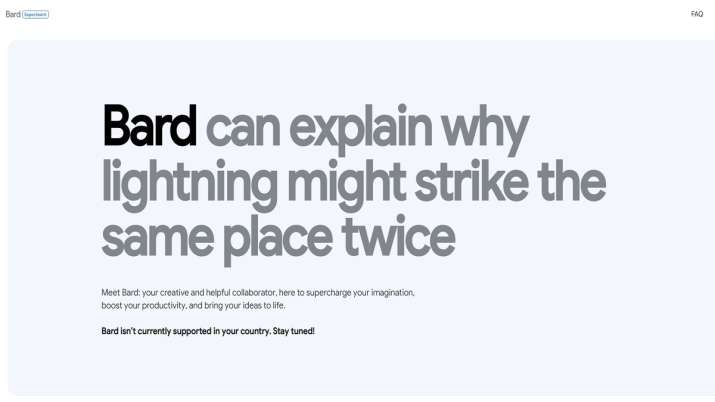
Bard also has a “Google it” button, which allows users to transform their prompt into a more search-engine-friendly query and direct it to Google Search. However, according to a spokesperson, Google does not plan to advertise Bard on its search page, and users can only access it by visiting bard.google.com and signing up on the waitlist.
Users interested in accessing Google Bard on their Chrome browser, Mac, or iPad need to simply follow these steps:
- Visit the Google Bard website.
- Click on the “Join waitlist” button.
- Sign in to your Google account
- Choose whether you would like to receive email updates from Google Bard and click “Yes, I’m in.”
- Once you’re granted access, Bard will be available as an add-on feature to Google’s search engine.

This means that when you submit a query, you will be presented with two sets of results: standard Google search results and a response from Bard.
Google intends to roll out Bard access in stages, so not everyone will be able to use it right away. The company also intends to expand the availability of Bard to other languages and territories in the future.
Bard, according to Google, is an early experiment that will run on an optimized version of LaMDA, the large language model that powers the tool. When users launch Bard, they are informed that the chatbot may not always provide accurate responses.