




New Law Offers Hope for Poor Nigerian Families Seeking Higher Education.
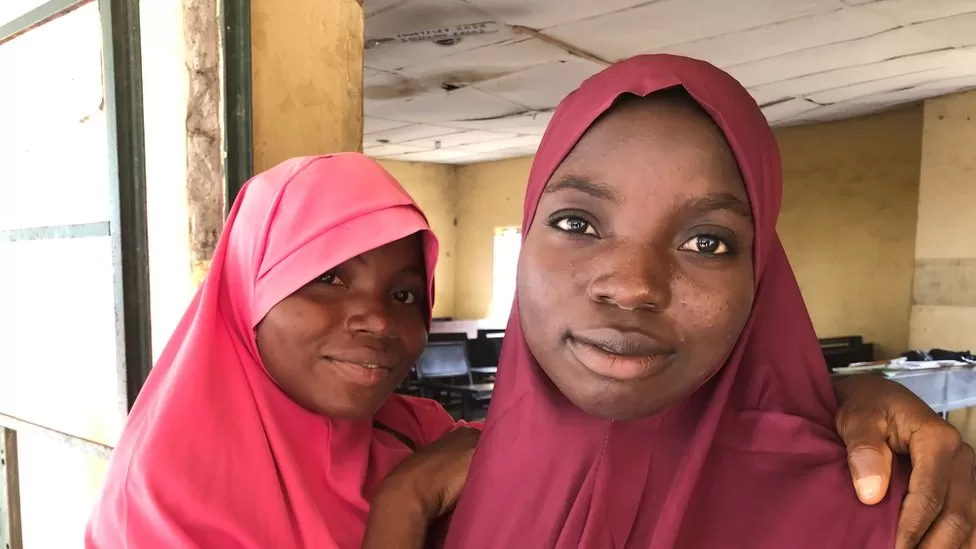
In the household of Esther Abu, there is excitement as they learn about a new law that aims to provide loans to financially disadvantaged Nigerian families, enabling them to send their children to university. Mrs. Abu, a single parent struggling to make ends meet, cannot afford to fund her youngest daughter’s dream of studying computer engineering. Meanwhile, her eldest daughter had to forego her own aspirations of becoming a doctor and began working as a hair stylist to support the family.
The government’s loan scheme provides a glimmer of hope for these girls and others like them who come from economically disadvantaged backgrounds. However, skepticism surrounds the initiative. President Bola Tinubu, who has been implementing rapid reforms since taking office, intends to address the challenges in Nigeria’s tertiary education sector. Over the years, low tuition fees coupled with insufficient government funding have resulted in dilapidated infrastructure, overcrowded classrooms, and poorly paid lecturers.

The loan scheme offers universities the opportunity to raise tuition fees, assuming that students from impoverished families can now afford them. President Tinubu claims that the scheme will “expand access to education for all Nigerians, regardless of their backgrounds.” The loans, which carry no interest, are to be repaid through monthly deductions of 10% from the beneficiaries’ salaries, commencing two years after they complete a mandatory post-graduate paramilitary service.
However, concerns have been raised about the loan repayment process, especially for graduates who struggle to find employment. In Nigeria, a significant number of graduates remain unemployed, with only a few securing jobs that match their qualifications. The fear of burdening themselves with loan repayments while searching for employment deters some students from availing of the loans. Others prefer to work and save money to finance their education rather than rely on the loan scheme.

Moreover, stringent eligibility criteria limit access to loans. The scheme is exclusively for students from households with an annual income of less than 500,000 naira. However, applicants must provide evidence of their financial status, which includes bank statements—a requirement that many poor families are unable to fulfill. Additionally, they need to secure two guarantors, such as senior civil servants, lawyers with a minimum of ten years of experience, or judicial officers. This poses a challenge for many Nigerians, who often lack connections to such individuals.
Even if the requirements are met, loan approval is subject to the availability of funds. Critics argue that the conditions are impractical, and the loan scheme may only benefit a small fraction of students. The president of the university’s lecturers’ union suggests that over 90% of students will not meet the eligibility criteria. Consequently, many students from low-income backgrounds, who are primarily funded by junior civil servants or low-wage earners, may find it impossible to access the loans.


While the loan scheme focuses solely on tuition fees, it fails to address other significant expenses such as accommodation, food, and textbooks, which form a considerable portion of the total cost of university education. The soaring costs of these necessities, coupled with the proposed fee hikes in some universities, have left families like Mrs. Abu uncertain about the feasibility of pursuing higher education for their children.
With concerns about job creation and the lack of clarity surrounding consequences for defaulting on repayments, many individuals question whether the loan scheme truly addresses the core issues facing Nigerian students. Some suggest that prioritizing job opportunities would have been a more effective approach.
Mrs. Abu, contemplating the challenges her family faces, believes that it would be better for her daughters to learn practical skills and find employment rather than risk the financial burden of a university education. As opinions differ and uncertainties loom, the loan scheme’s ultimate impact on higher education in Nigeria remains to be seen.


