


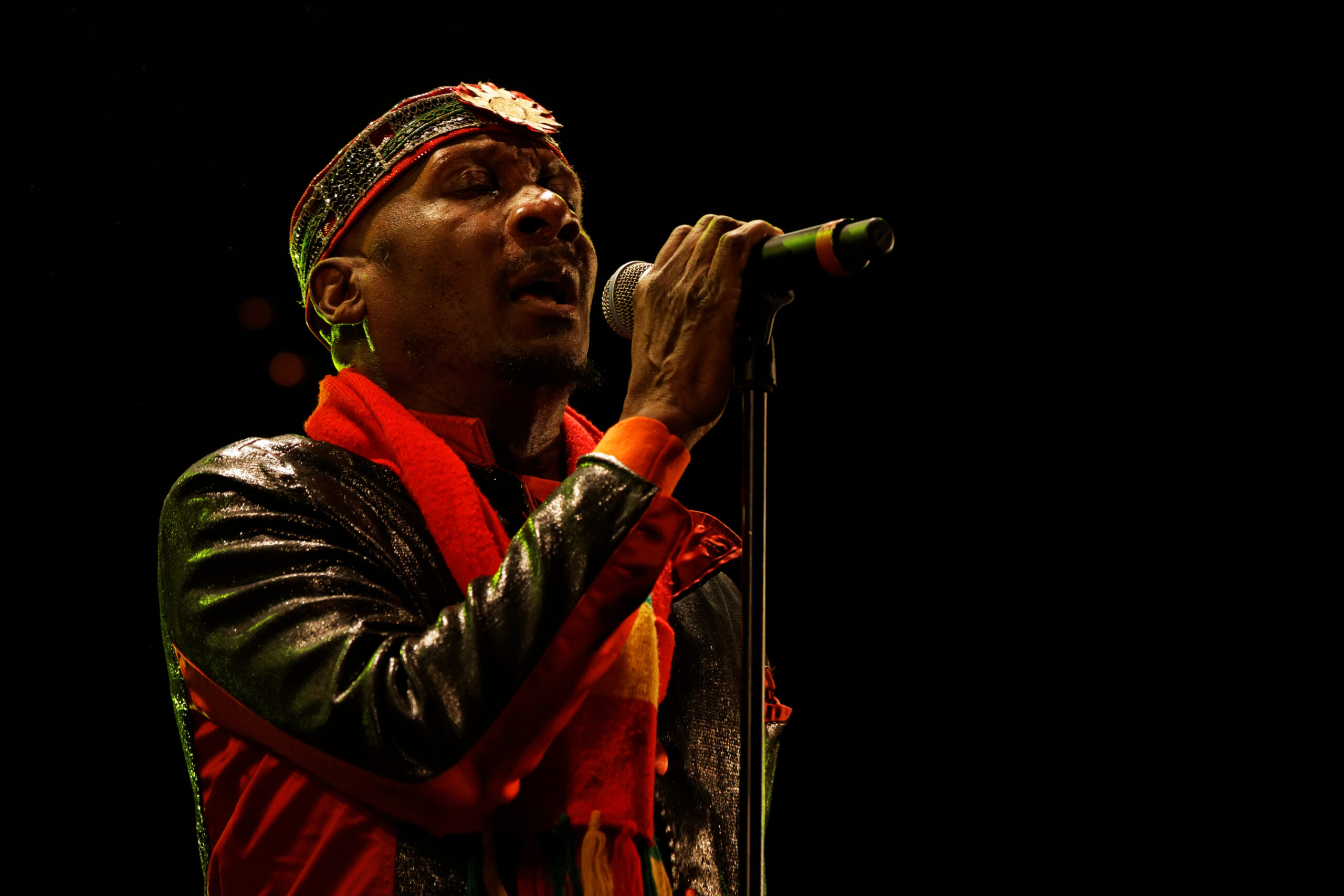
Legendary reggae singer Jimmy Cliff has passed away at the age of 81, his family confirmed on Monday.
His wife, Latifa Chambers, shared the news in a heartfelt statement on his official social media platforms, revealing that he died after battling pneumonia that followed a seizure.
She expressed gratitude to everyone who supported him throughout his journey.
“I am thankful for his family, friends, fellow artists, and coworkers who walked with him. To his fans across the world, your love was his strength. He valued each and every one of you,” she wrote.
Born James Chambers, Jimmy Cliff became one of the key figures who carried reggae beyond Jamaica and onto the world stage. His rise to global recognition was fueled by his unforgettable role in the classic film The Harder They Come, which helped introduce reggae to new audiences and solidified his place in music history.
His musical path began after he left rural Jamaica for Kingston, where he released early singles and eventually scored his first big hit, Hurricane Hattie, under Leslie Kong’s Beverly Records. His ability to fuse ska, pop, and soul made him stand out as one of the most adaptable artists of his time.
In 1965, Cliff moved to London after signing with Chris Blackwell of Island Records, expanding his sound even further by blending in rhythm and blues. His music soon captured listeners far beyond the Caribbean.
By the late ’60s, he had become a major force in South America, winning a top festival award in Brazil with his track Waterfall. His album Wonderful World, Beautiful People became a worldwide success and even influenced artists like Paul Simon to explore reggae.
Jimmy Cliff reached the peak of his global fame with The Harder They Come. The film—now viewed as one of Jamaica’s greatest cultural contributions—featured several of his timeless songs, including Many Rivers to Cross, Sitting in Limbo, and the iconic title track, The Harder They Come.
Together, the movie and its soundtrack turned Jimmy Cliff into an international cultural force and one of reggae’s most defining voices.