



Dr. Mohammed Amin Adam, the Finance Minister, has reassured Ghanaians that the current depreciation of the cedi will stabilize in the medium to long term. He attributed this anticipated stability to the completion of the domestic debt exchange program.
Addressing recent concerns, Dr. Amin Adam highlighted that while there have been pressures on the exchange rate, significant progress has been made. “The exchange rate has been largely stabilized, with the depreciation of the cedi against the US Dollar halving from 54.2% at the end of November 2022 to 27.8% by the end of December 2023,” he said. The cedi’s stability has continued into 2024, with a cumulative depreciation of 14.2% as of May 20, 2024, compared to 20.7% in the same period in 2023.
Dr. Amin Adam expects this trend to improve as Ghana completes debt restructuring, makes progress on fiscal consolidation, and bolsters its reserves. He noted that the recent pressures on the cedi were due to the strengthening of the US Dollar, seasonal forex demand, increased demand from corporate institutions, payments to contractors and IPPs, high cedi liquidity, and speculation.
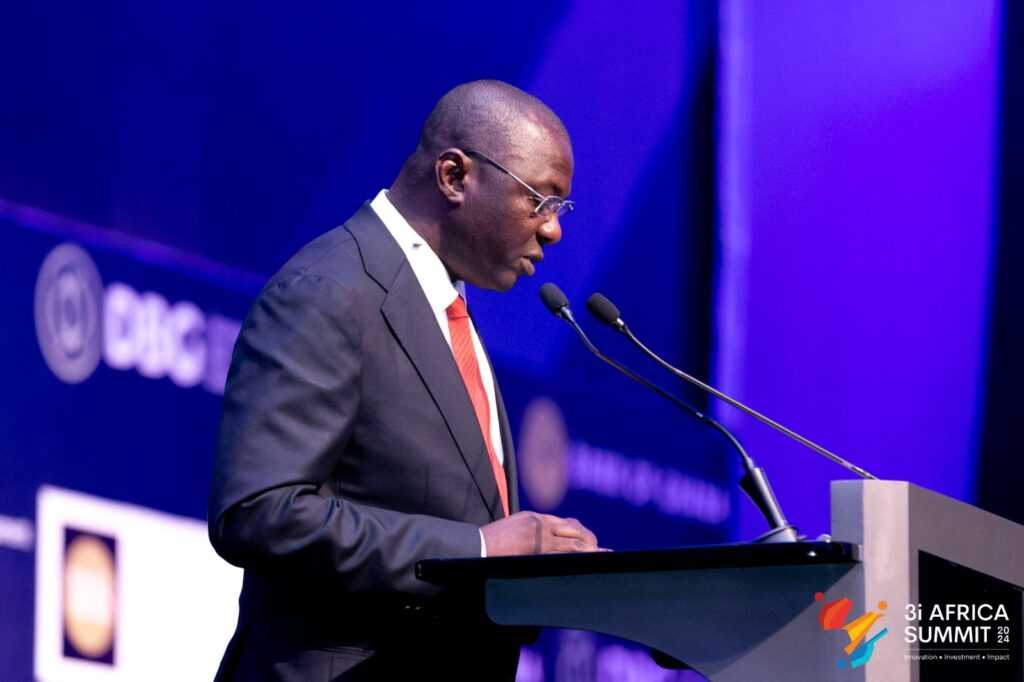

He made these comments during his monthly economic briefing in Accra.
In a related development, the Ghana Union of Traders Association (GUTA) has urged the Bank of Ghana (BoG) to ease its stringent currency exchange regulations. Dr. Joseph Obeng, President of GUTA, emphasized the growing concerns among traders and businesses affected by fluctuating exchange rates and called for a more flexible approach from the BoG to support them during these turbulent times.
Dr. Obeng argued that the fear of stringent documentation requirements discourages transactions through official banking channels. He proposed that the BoG temporarily relax these rules to provide relief to traders, suggesting measures like increasing daily foreign exchange limits for businesses and simplifying the process for accessing foreign currencies.
“Stringent documentation requirements lead to less transaction through banks. For the Bank of Ghana, what you need is a bill of lading and the transactional value—that should suffice. This would prevent panic regarding the accounting aspects of these transactions,” Dr. Obeng explained.
These proposed changes aim to ease the burden on businesses and stabilize the economic environment during periods of exchange rate volatility.


