



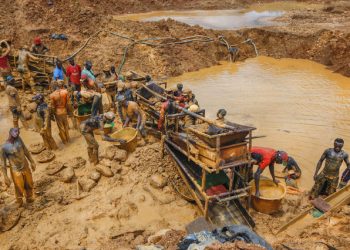
Lately, the rising water bills in Ghana have become a growing concern for people across the nation. Many have observed a gradual yet consistent increase in their monthly statements. The unexpected cause behind this stealthy price hike, as disclosed by the Public Utilities Regulatory Commission (PURC), is causing considerable concern. Now, Ghanaian water consumers are paying an additional 1 Ghana cedi on every water bill. The reason? To support the Ghana Water Company in adequately treating water at various pumping stations. The Commission explains that this tariff adjustment is a response to the escalating costs associated with water treatment, a direct result of illegal mining activities, commonly known as ‘galamsey.’
The Ghana Water Company has been grappling with the detrimental effects of ‘galamsey’ for some time. They had previously cautioned that they might have to close down certain treatment facilities due to the severe impact these activities were having on their operations.
Dr. Ismael Ackah, the Executive Secretary of the PURC, clarified that the tariff increase is primarily aimed at ensuring the continuous operation of the Ghana Water Company and its treatment facilities. He elaborated, saying, “For water, the major cost drivers are electricity and the cost of chemicals used in the treatment process. Although we decided not to increase rates for industrial customers, this hasn’t had a significant impact.” He continued, “The other major cost driver for water treatment is the chemicals themselves. They’ve shifted from using cheaper chemicals to Colima, which is about two and a half times more expensive. Due to ‘galamsey’ and other factors, they’ve had to intensify water treatment, tripling the usual process, resulting in a significant increase in the cost of water.”
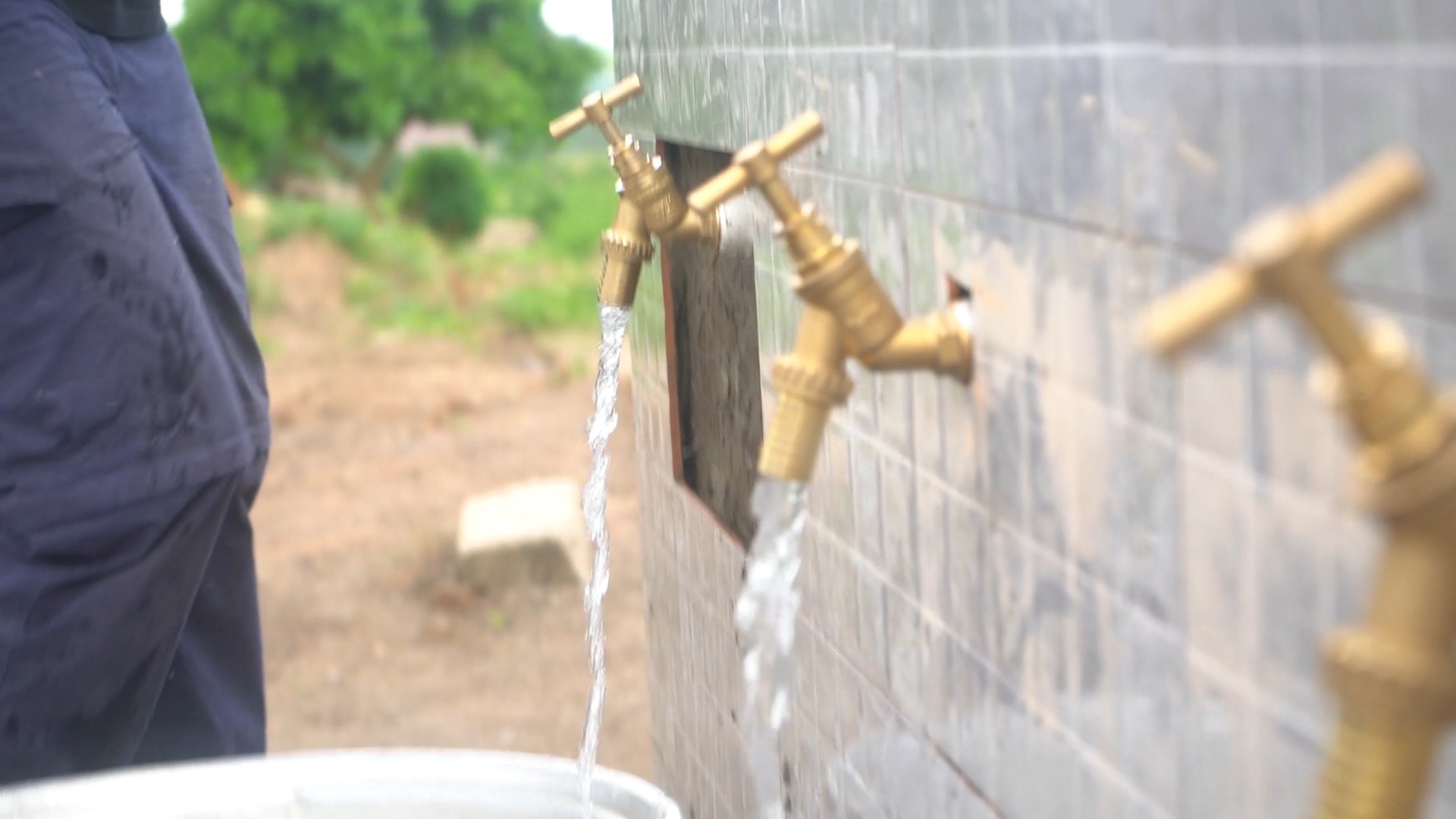

To put it simply, if your water bill was previously 100 cedis, you are now paying an extra 1 cedi due to the increased cost of water treatment resulting from illegal mining activities.
However, it’s worth noting that amidst these tariff adjustments, the PURC has made a significant exception for industrial consumers. They have been exempted from the 4% and 1% tariff adjustments for electricity and water, respectively. This decision was taken to protect jobs and prevent companies from relocating their operations to countries with lower tariffs.
Dr. Ackah elaborated on this, stating, “Industries already pay more than their fair share, which allows residential customers some relief. However, this also affects the operational costs for industries. We’ve heard from the Association of Ghana Industries (AGI) that some companies are considering relocating from Ghana to countries like Cote D’Ivoire or Nigeria where industrial tariffs are lower.”
He stressed the impact on production costs and employment, saying, “With production costs rising, some companies are considering layoffs just to meet their electricity bills. That’s why we thought it prudent to implement these adjustments gradually, aligning industry costs with their service costs, which should help reduce production costs and lead to increased employment opportunities for Ghanaians.” The decision to exempt industries aligns with the PURC’s intent to strike a balance between tariff adjustments and the welfare of the Ghanaian populace. By preserving jobs and preventing the migration of industries, they aim to support both the economy and employment within the nation.
Furthermore, the PURC is diligently following the conditions set forth by the International Monetary Fund (IMF) to address the energy sector’s challenges. They have adopted a quarterly adjustment approach to maintain consistency in tariff adjustments, reducing sector debts and avoiding drastic measures such as tax increases.
The Executive Secretary emphasized that they have taken into account the well-being of Ghanaians alongside the recommendations of international organizations. This decision reflects the PURC’s dedication to striking a balance between fiscal responsibility and the welfare of the Ghanaian population.


