



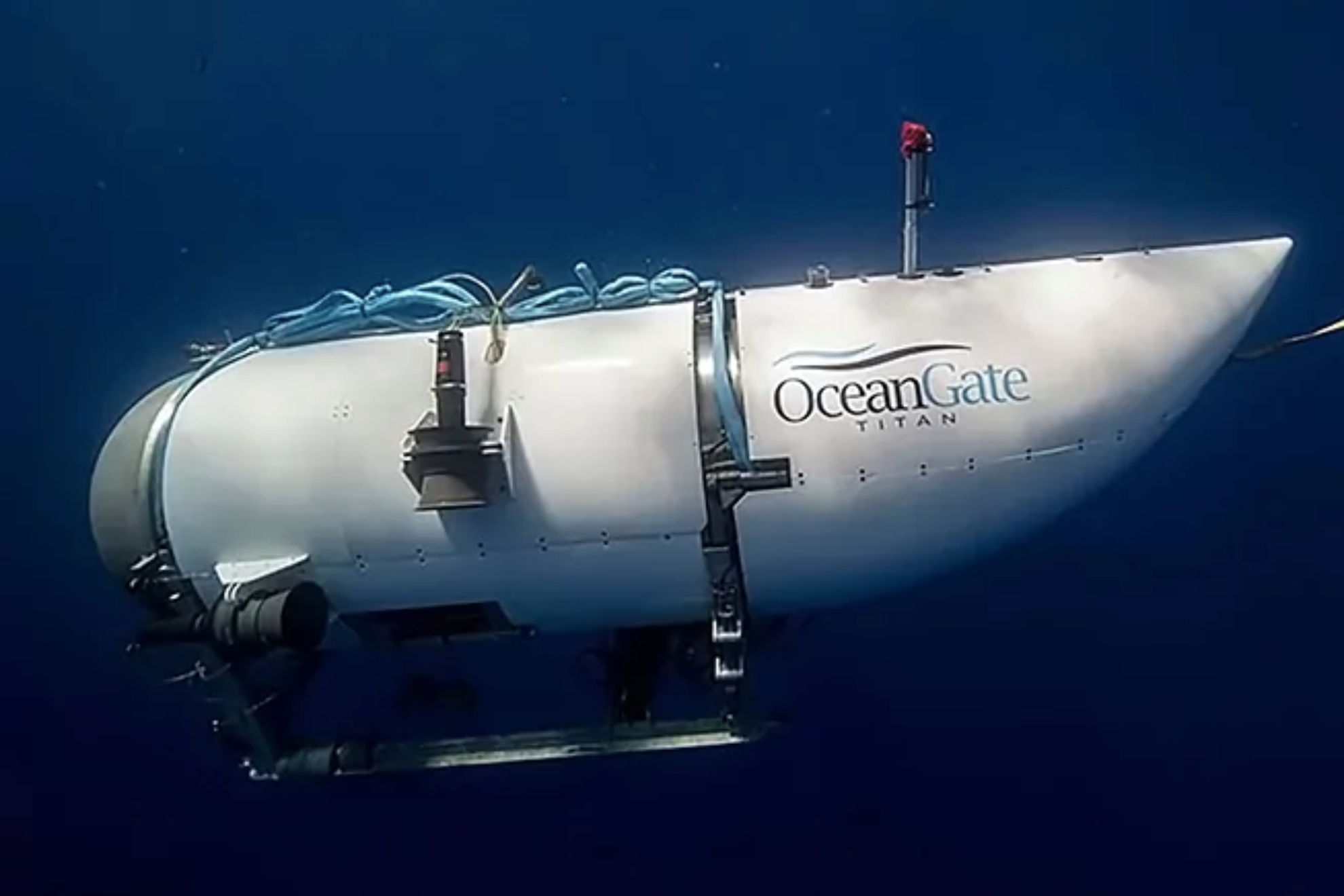
Tragic news emerges as US authorities confirm the devastating loss of OceanGate’s Titan submersible in the North Atlantic. A debris field discovered suggests that the submersible suffered a “catastrophic implosion,” tragically resulting in the instant loss of all five passengers on board.
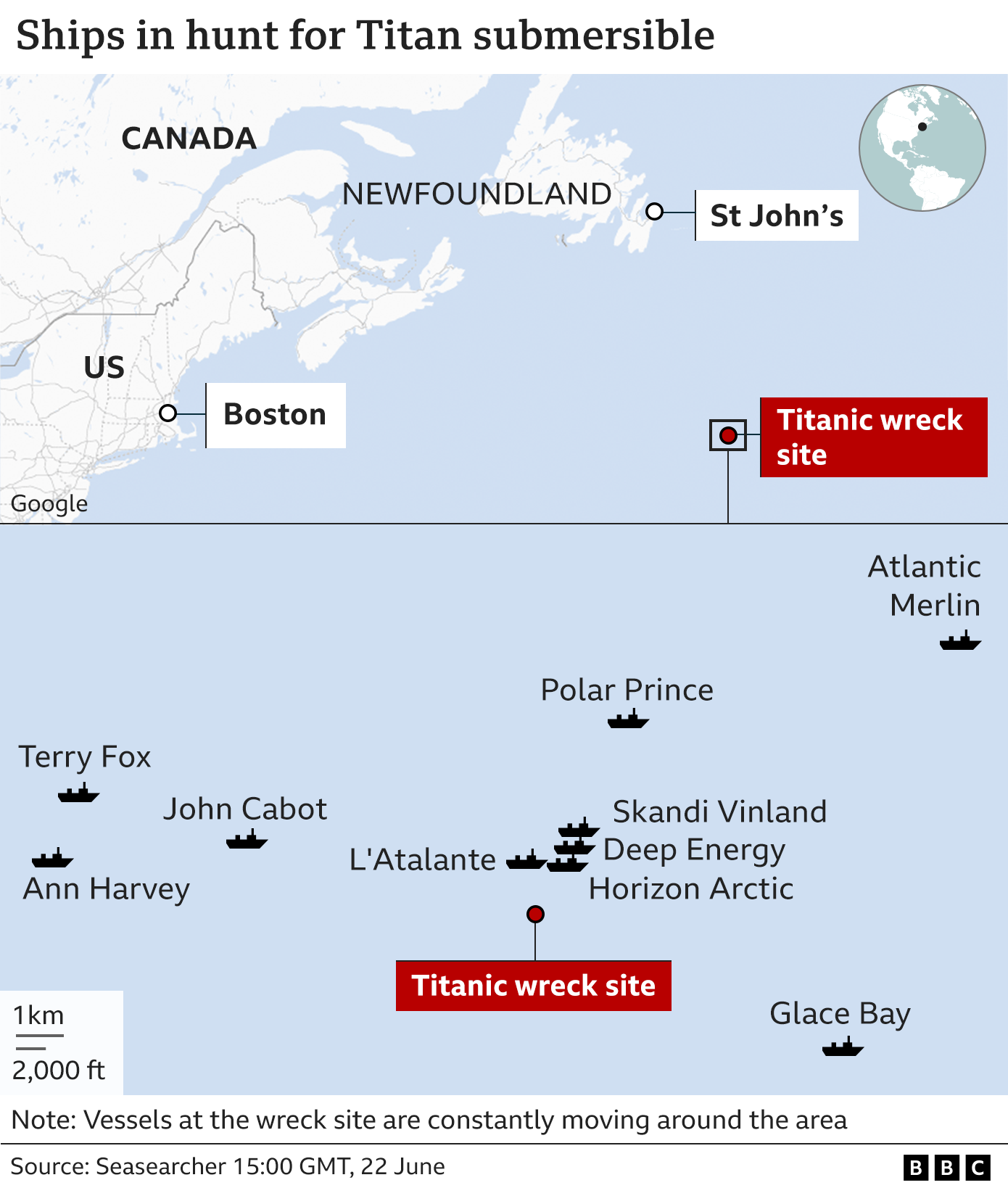
The US Navy, responsible for monitoring the situation, detected sounds consistent with an implosion shortly after losing contact with the sub on Sunday during its descent to the Titanic wreck at a depth of 3,800m (12,467ft) below the sea’s surface. However, this information was only made public on Thursday, following an extensive search mission near Newfoundland Island in Canada.
The cause of the implosion is believed to be the immense water pressure at great depths, causing the hull of the Titan to collapse. Although the submersible was designed to withstand such pressures, experts will now focus on determining what exactly went wrong. Analyzing the debris recovered from the ocean floor may provide valuable insights into the incident.
At the time of contact loss, the Titan was estimated to be 3,500m below sea level. The amount of water exerting pressure on the vessel at that depth would have been equivalent to the weight of the Eiffel Tower, amounting to tens of thousands of tonnes. Normally, the pressure inside the sub keeps the occupants safe. However, if the structure ruptured, the external pressure would exceed that inside, resulting in the compression of the vessel.

During an implosion, the collapse of a submarine hull occurs at an astonishing speed of approximately 1,500mph (2,414km/h) or 2,200ft (671m) per second. The complete collapse takes a mere millisecond, rendering any response from human senses or rational thinking impossible. The subsequent explosion, triggered by the auto-ignition of the air inside the sub, incinerates human bodies instantly, reducing them to ash and dust.
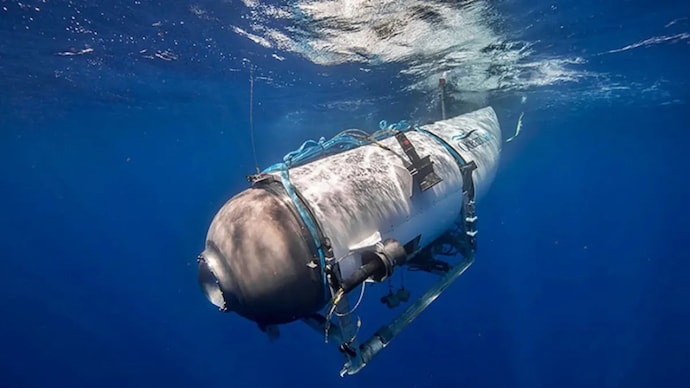
The forthcoming investigation is likely to focus on the carbon fiber mid-section of the Titan sub. While deep-sea vehicles typically employ robust metal, such as titanium, for constructing pressure vessels, the OceanGate sub opted for a cylindrical shape with a carbon fiber tube inserted between titanium end caps to accommodate more occupants. Carbon fiber is known for its strength, commonly used in aerospace and automotive applications. Investigators will examine whether the immense pressure at extreme depths, over 300 times the atmospheric pressure at the sea surface, exposed any flaws or instabilities in the carbon fiber structure, leading to the loss of structural integrity.

An investigation of this nature would also involve exploring non-destructive testing practices. Regular, meticulous inspections of aircraft ensure that their materials remain free from cracks or delamination. Examining the debris found on the ocean floor, capturing detailed photographs, and subjecting them to forensic analysis in a laboratory could help engineers pinpoint where the submersible’s structural integrity was compromised, initiating the catastrophic implosion.


