


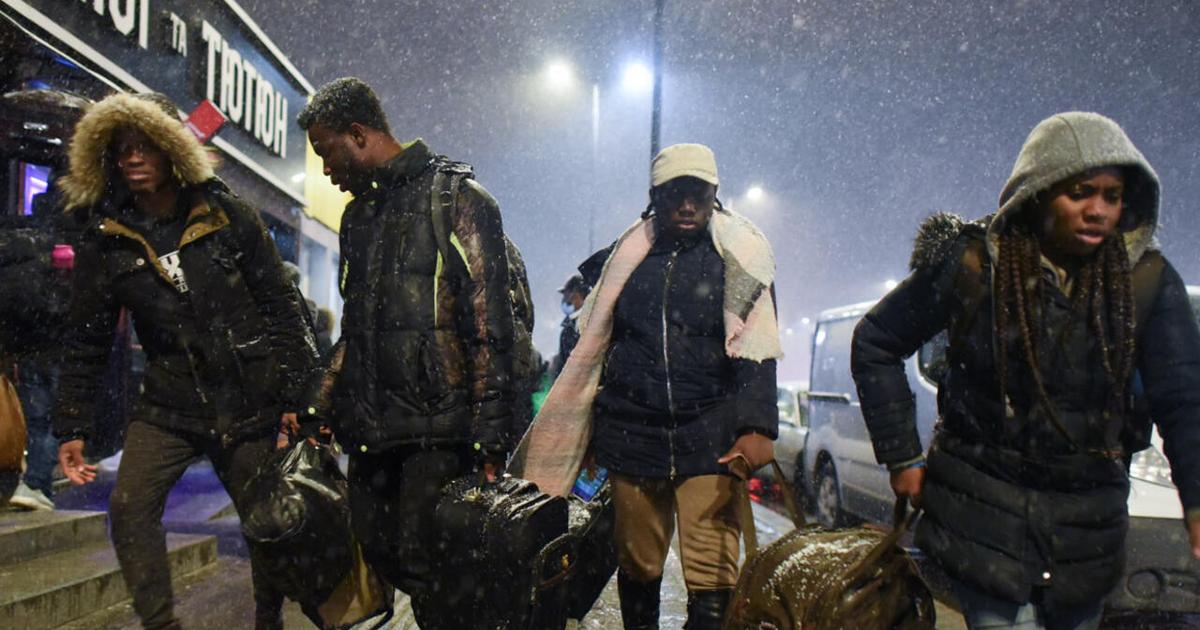
Russia has come under scrutiny for allegedly coercing thousands of migrants and foreign students, including many Nigerians, to fight in its conflict with Ukraine as a condition for visa renewal, according to a Bloomberg report.
European officials have accused the Kremlin of using tactics initially employed by the Wagner mercenary group to bolster its ranks. The report highlights that Russia has threatened to withhold visa extensions from African students and young workers unless they join the military.
Moscow has also been enlisting convicts from prisons, and some Africans on work visas have been detained and given the ultimatum of either deportation or military service. A European official noted that some individuals managed to avoid conscription by bribing officials.
The practice of forcing migrants and students into combat dates back to earlier stages of the war, with these recruits often facing high casualty rates due to their deployment in dangerous offensive operations to protect more experienced units.
The Russian Foreign Ministry did not respond to requests for comment on these allegations.
Reports suggest that Russia has conducted a global recruitment drive, enlisting foreign mercenaries from at least 21 countries, including several in Africa. Recruitment campaigns have promised lucrative bonuses and salaries to attract contract soldiers, targeting migrants and students who initially sought employment in Russia.

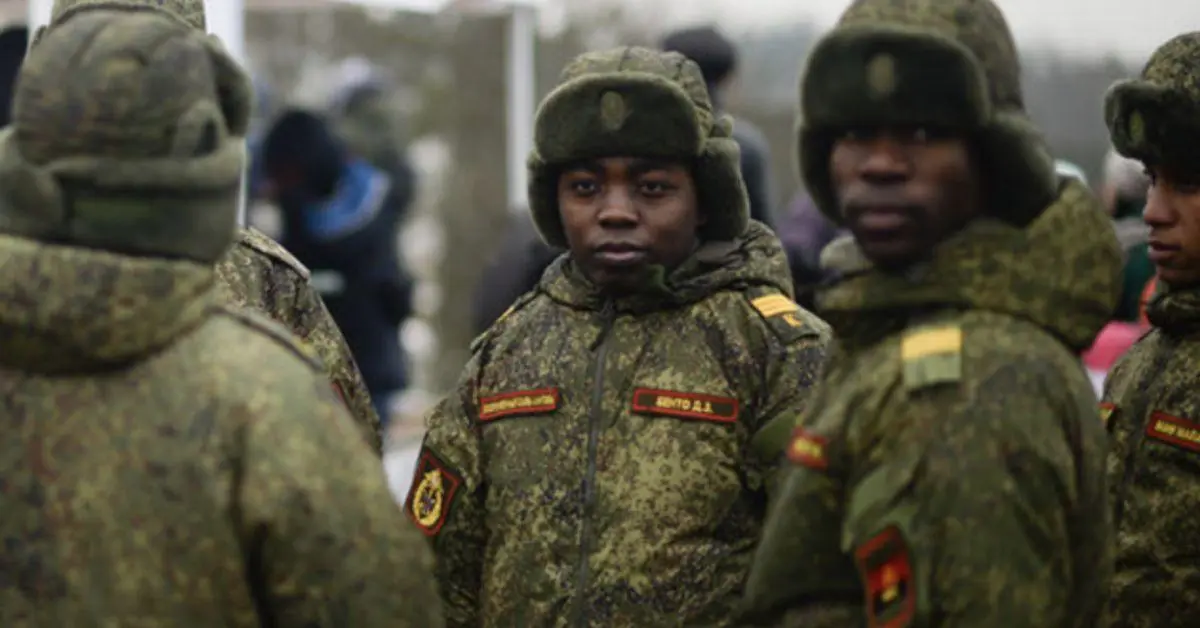
Russia’s ability to mobilize additional troops could significantly impact the war, as President Vladimir Putin aims to leverage any shift in momentum. Despite efforts, Russian forces have made slow progress in northeastern Ukraine, suffering substantial losses.
The UK Ministry of Defence reported that Russia lost over 1,200 personnel daily in May, marking the highest casualty rate of the war. Since the invasion began, Russia has seen an estimated 500,000 personnel killed or wounded, although Bloomberg could not independently verify these figures.
In a recent meeting, Putin implied that Russian troop casualties are around 10,000 per month, with Ukrainian losses reportedly five times higher. Despite failing to achieve a major breakthrough, Russia has intensified bombings in Kharkiv, aiming to render the city uninhabitable.
Putin has avoided a full-scale mobilization, instead relying on a voluntary recruitment drive to compensate for losses. This approach has attracted tens of thousands of recruits, though the quality of these troops remains questionable.
Nepal has acknowledged that around 400 young Nepali men have been recruited by Russia, with many more potentially joining without official knowledge. India’s cessation of recruiting Nepalese Gurkhas for its army may have driven Nepalis to seek work in Russia.
A senior Ukrainian official reported an increase in foreign fighters among captured prisoners, particularly Africans and Nepalis. Some of Ukraine’s allies are considering sharing intelligence on these recruits with the affected countries.
The Group of Seven nations, meeting in Italy next week, have been urging countries from the Global South to support Ukraine. However, many of these nations remain neutral and have been targets of Moscow’s disinformation campaigns.
Reuters previously reported that the Wagner group had recruited African citizens, including convicts from Russian prisons, to fight in Ukraine. The agency detailed the stories of recruits from Tanzania, Zambia, and the Ivory Coast.
Currently, there are about 35,000 to 37,000 African students in Russia, according to Yevgeny Primakov, head of Rossotrudnichestvo, an organization dedicated to promoting Russian culture abroad. Annually, approximately 6,500 African students receive scholarships to study in Russia.