



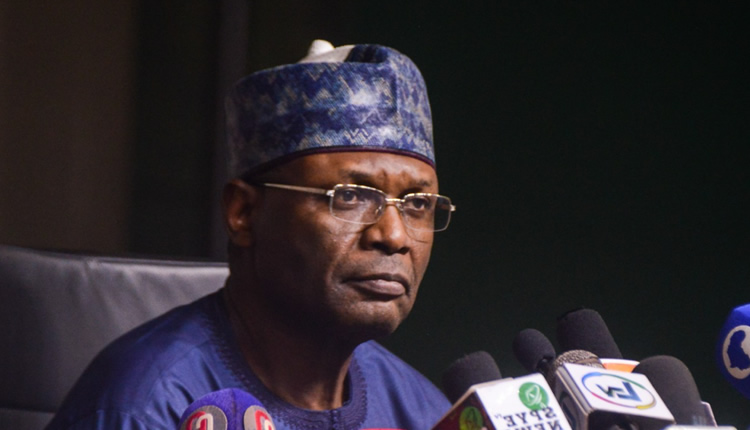
At a press conference held at the Transcorp Hilton in Abuja on Monday, the European Union’s Electoral Observation Mission presented a preliminary report on its observations of Nigeria’s 2023 general election.
In his address, Chief Observer of the Mission Barry Andrews revealed that the mission had 110 observers, including 11 core team members, 14 long-term observers, and 96 short-term observers, including European Parliament delegates.
He went on to say that the elections were marred by cases of incumbency abuse, widespread allegations of vote buying, voter misinformation, and a lack of planning at critical stages of the electoral process.
“Fundamental freedoms of assembly and movement were largely respected, yet the full enjoyment of the latter was impeded by insufficient planning, insecurity, and the prevailing naira and fuel shortages. Incumbency abuse by various political office holders distorted the playing field, and widespread allegations of vote buying surfaced.”

“Overall, stakeholders had expressed confidence in INEC’s independence, professionalism, and voter information efforts, but this decreased ahead of elections.
“INEC lacked efficient planning and transparency during critical stages of the electoral process, while on election day, trust in INEC was seen to further reduce due to delayed polling processes, and information gaps related to much-anticipated access to results on its Results Viewing Portal.
“The introduction of the Bimodal Voter Accreditation System (BVAS) and the IReV for the 2023 elections was perceived as an important step to ensure the integrity and credibility of elections. However, delayed technical personnel training, insufficient mock testing, and a lack of information on election technologies dampened expectations and left room for speculation and uncertainty.”
While commending citizens for their turnout at the polls, Andrew stated that the EU would continue to monitor the collation of results as well as the March 11 governorship and state assembly elections and that its final reports would be presented three months after the end of the election processes, so as not to interfere with the process.
“The mission continues to follow the ongoing process related to the presidential and National Assembly elections to its conclusion and will continue its activities until the 11th of March for the governorship and local state council elections. “Three months after the process concludes, our mission will deliver a final report with recommendations to address issues,” he said.”
Meanwhile, Miss Evin Incir, the Head of the European Parliament Delegates, expressed concern that less than 10% of total candidates in the elections were women, stating that “the next government and parliament should heed the manifestos of Nigeria’s main political parties, which call for affirmative action, such as quotas.”


