


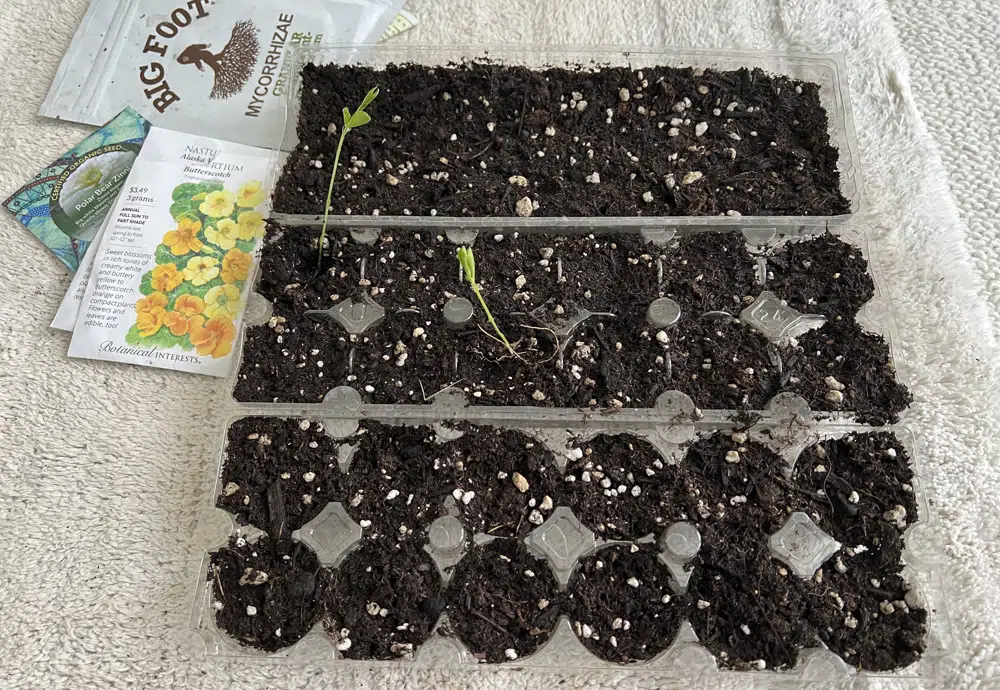
Catalogs have been perused, and seed racks at local nurseries and garden centers are sprouting like weeds.
Across the country, there is now enough daylight to start garden seeds without the use of artificial lights. Some seeds can be planted directly in the ground. Others will have to be started from within.
In any case, where I come from, you are not a true gardener unless you start at least one thing from seed. Sure, you can buy plants that are already started, but seeds give you bragging rights.
The truth is that it is simple to start seeds. The seed contains everything the plant requires to germinate. All you have to do is place it in damp soil and don’t let it dry out while it works. If there are any special requirements, they will be noted on the back of each seed packet in the simple instructions.
The suggestion to roll larger seeds in mycorrhizal fungi or sprinkle some on smaller seeds is not included in those instructions. These unique fungi should be available wherever you buy seeds,
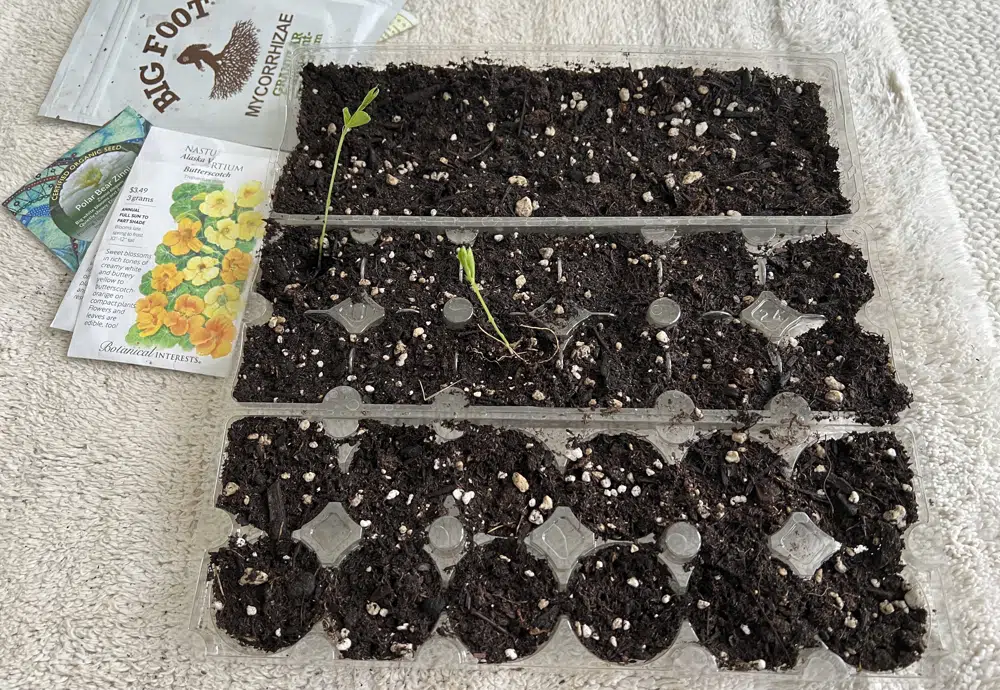
Mycorrhizal fungi live in a symbiotic relationship with plants, supplying them with water and nutrients. Endo and Ecto are now available in good nurseries. With the exception of cole family members, annuals and row crops associate with endo-mycorrhizal fungi (cabbages, kolhrabi, kale, etc.). In addition to rolling the remaining seeds, spread some of the mixtures throughout the soil to encourage new roots to grow into it.
Do not soak your seeds in hydrogen peroxide, as many people recommend. Bacteria are present in all seeds that are supposed to be present. They have evolved to aid in seed germination and seedling establishment. They also enrich the soil with microbes that have developed a relationship with that particular seed variety.
It is simple to plant large seeds (and beg for the assistance of a youngster.) For those tiny seeds, a pencil will suffice. Simply wet the tip and use it to pick up the seed. When you place it in its starting container, it will hold a single seed.
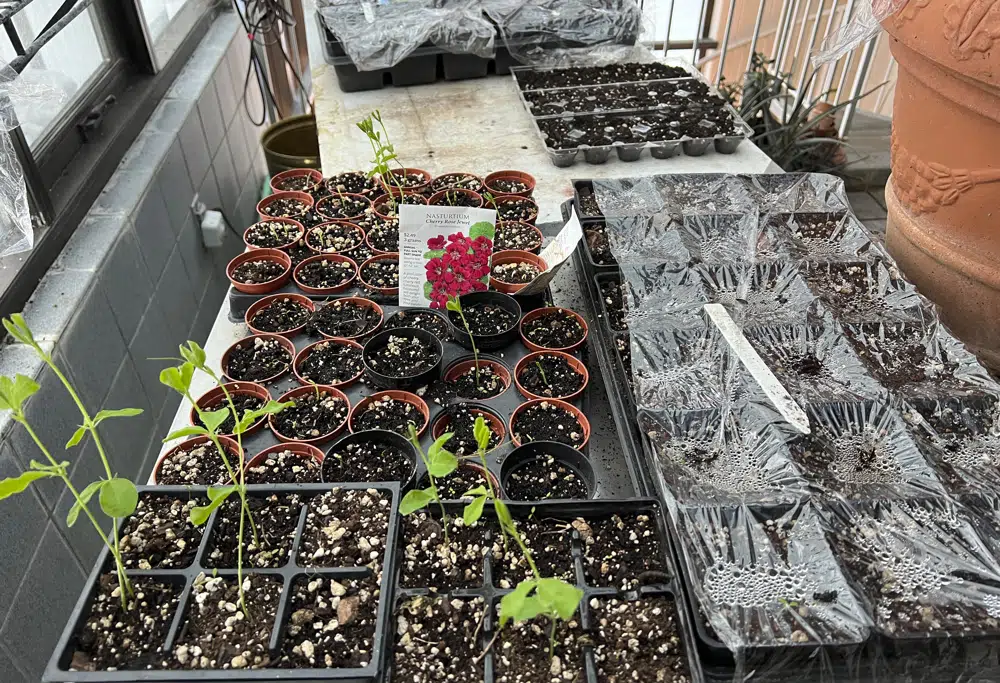
Speaking of containers, it’s time for all gardeners to reduce, if not eliminate, their use of plastic. Make your own starting flats and pots out of newspaper or cardboard unless you are recycling old plastic starting flats and pots. You can use the internet to buy a device or look up directions.
Alternatively, you can reuse coffee cups and recycle other suitable containers like egg cartons, yogurt containers, and ice cream boxes (Oh! An excuse to go out and buy some!). Make a drainage hole in the bottom because seeds rot when they sit in water.
Finally, it would be a shame to grow something only to forget its name. Everything should be labeled. Avoid purchasing plastic labels once more. You can write directly on some containers, or you can use takeout chopsticks and recycled plastic utensil handles. Permanent markers will not rub or wash away.
Oh, and think about starting your own seeds for next year’s garden.
