


British Prime Minister Rishi Sunak’s Conservatives suffered significant losses in Friday’s local elections, undermining his efforts to revive their fortunes and emboldening the opposition Labour Party ahead of a national election next year.
Sunak took power in October after a year of political scandals, skyrocketing inflation, and slowing economic growth. During his tenure, he has faced a cost-of-living crisis, mounting healthcare concerns, and widespread labor unrest.
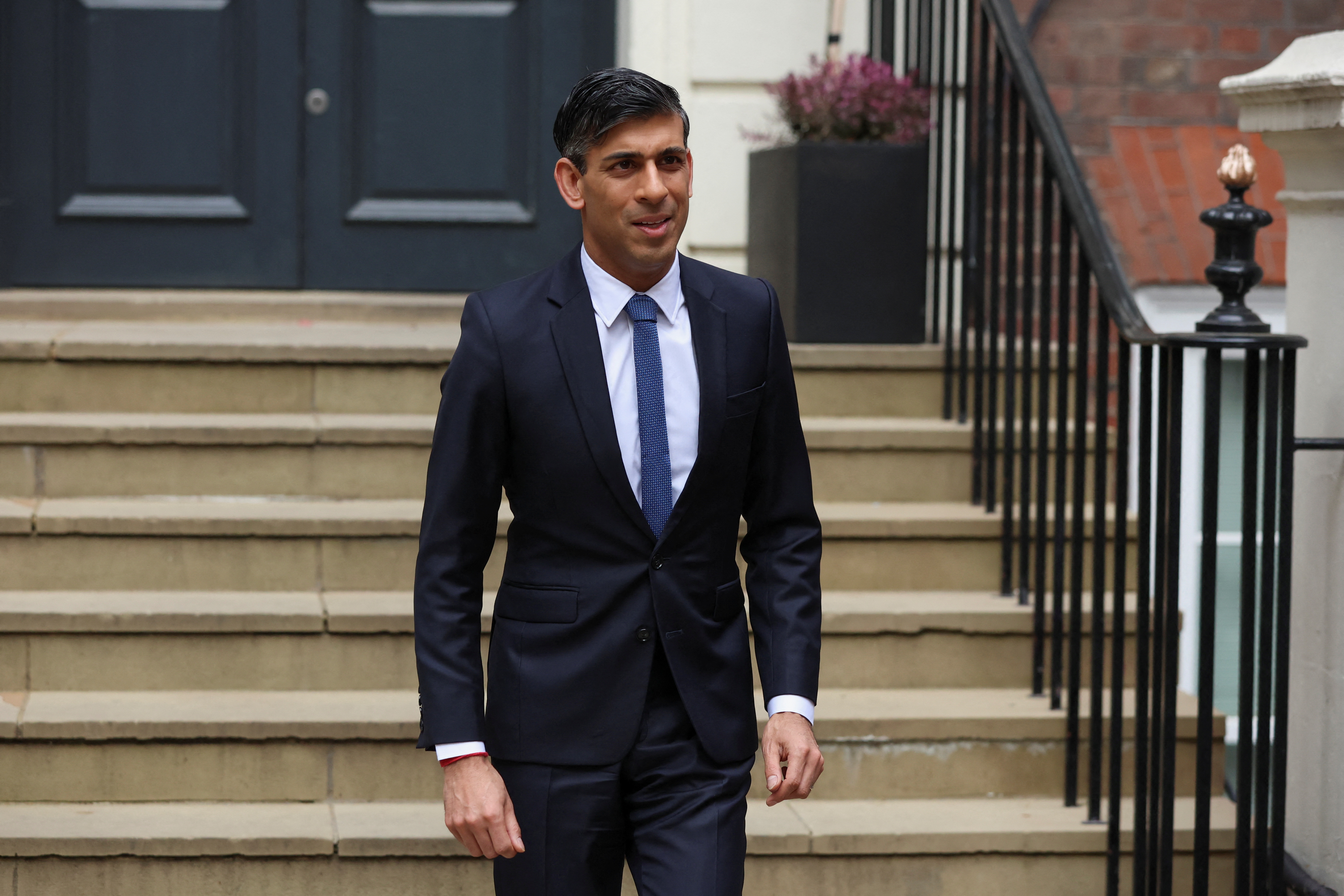
While governing parties frequently struggle in midterm elections, the council results in England are the largest, and possibly final, test of voter sentiment before the next national election, which is scheduled for January 2025.
With a majority of councils counting their votes, which has no effect on the government’s parliamentary majority, the Conservatives had a net loss of 943 seats by 1802 GMT, while Labour gained 486 and the Liberal Democrats gained 353.
Labour declared that they were now on track to win power in the next general election. According to a Sky News projection based on early results, Labour could receive 36-38% of the vote in the next national election, making them the largest party, with the Conservatives receiving 28-30%.
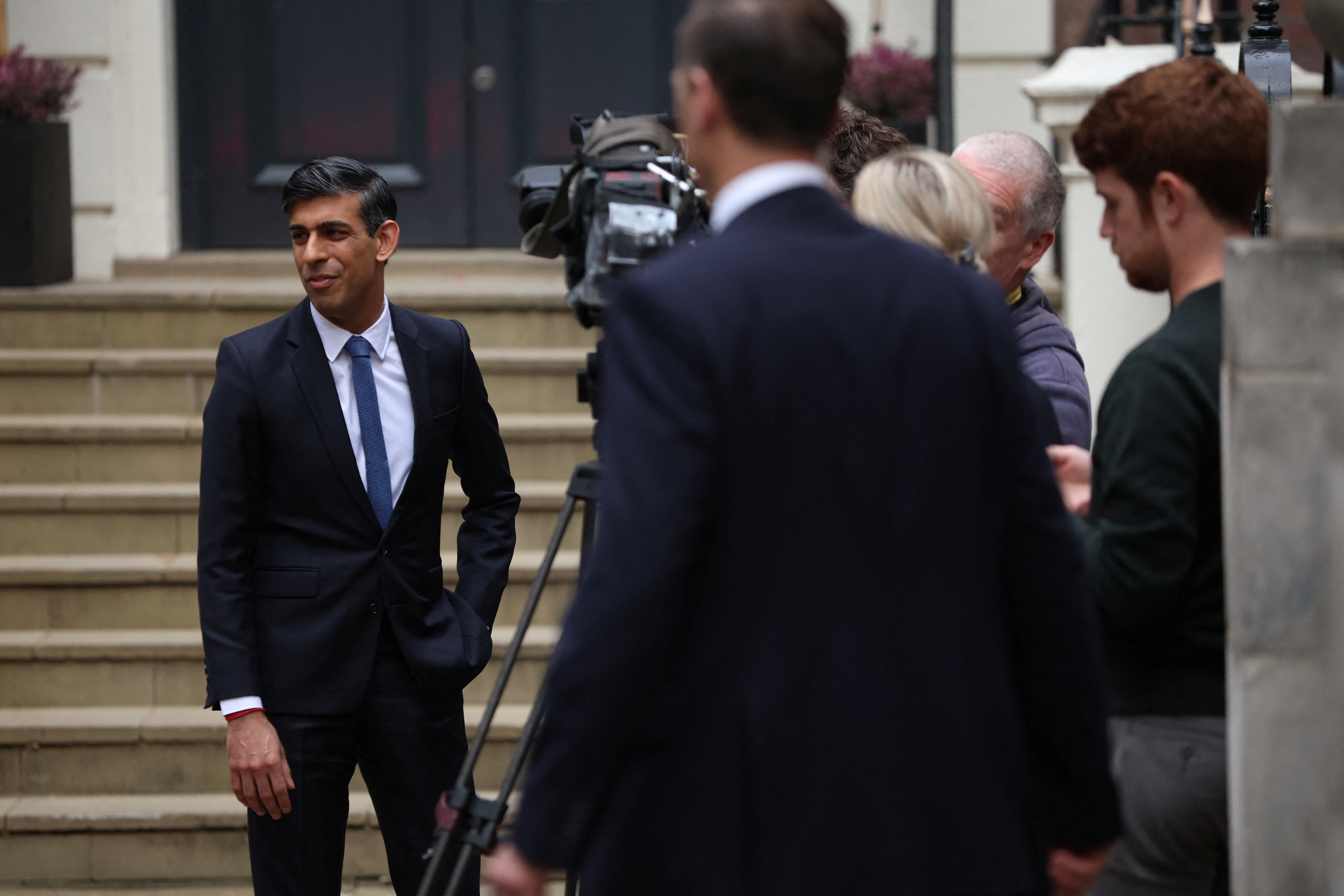
Labour may fall short of a majority, according to the projection, but that could depend on how it performs in Scotland, where it is competing for seats from the Scottish National Party and did not hold local elections.
A similar BBC projection predicted that Labour would get 35% of the vote and the Conservatives would get 26%, and some in Sunak’s party were disappointed with the results.
Labour took control of Swindon Borough Council, a town in southwest England where Labour leader Keir Starmer launched his election campaign and has consistently voted for governing party lawmakers since 1983.
“There is no spin, no gloss.” “This is a terrible set of results,” said Justin Tomlinson, Conservative MP for Swindon North. “This should serve as a wake-up call for the party as a whole to refresh and renew.”
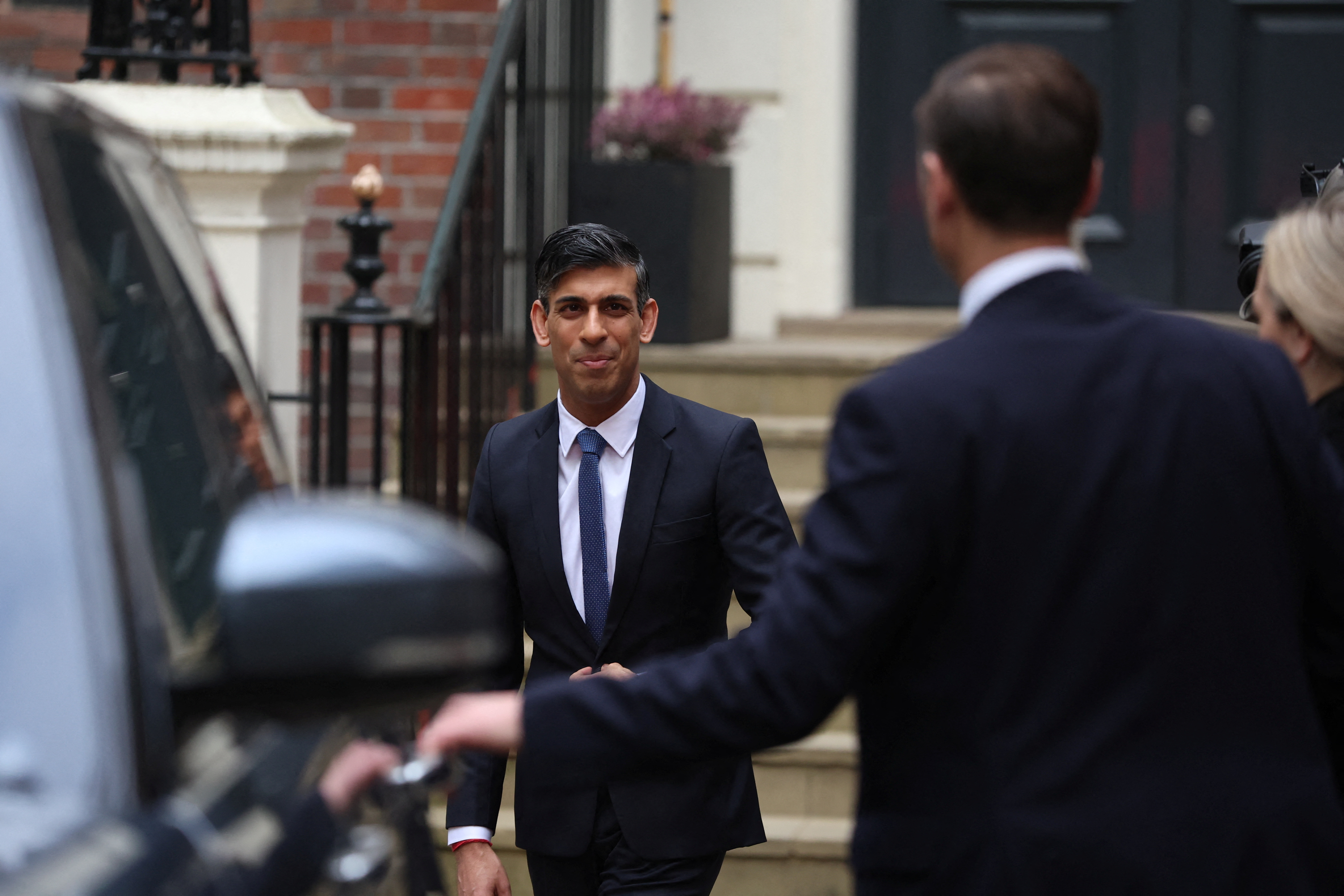
‘UNAMBIGUOUS’ REBUFF
The votes were cast to elect approximately 8,000 councilors to local government authorities, which are in charge of providing day-to-day services such as bin collections and schools.
Sunak’s party lost seats to Labour in the north and south of England, while the Liberal Democrats gained ground in the south’s wealthier areas.
Sunak told reporters that the results so far showed that people wanted his ruling party to deliver on their priorities, but that it was too early in the process to draw firm conclusions as counting continued.
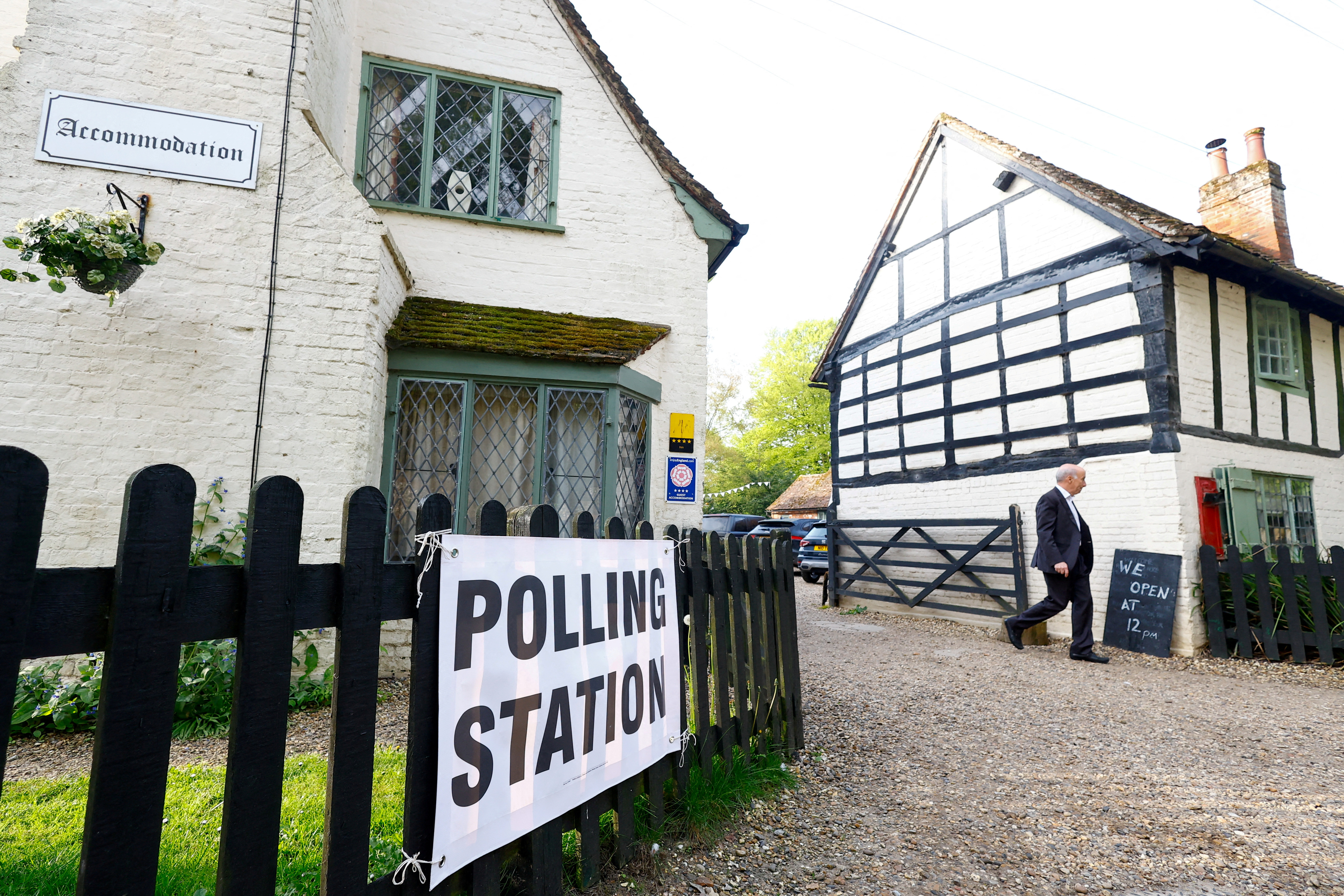
The results were an “unambiguous” rebuff to the party as it tries to stay in government at the next parliamentary election, according to Britain’s best-known pollster, John Curtice, and if Conservative losses approached 1,000 seats, it would spell deep electoral trouble.
“(Labour) might win an overall (parliamentary) majority, not because of any great enthusiasm among the electorate for Labour, but simply because the Conservatives are doing so poorly,” he said on BBC radio.
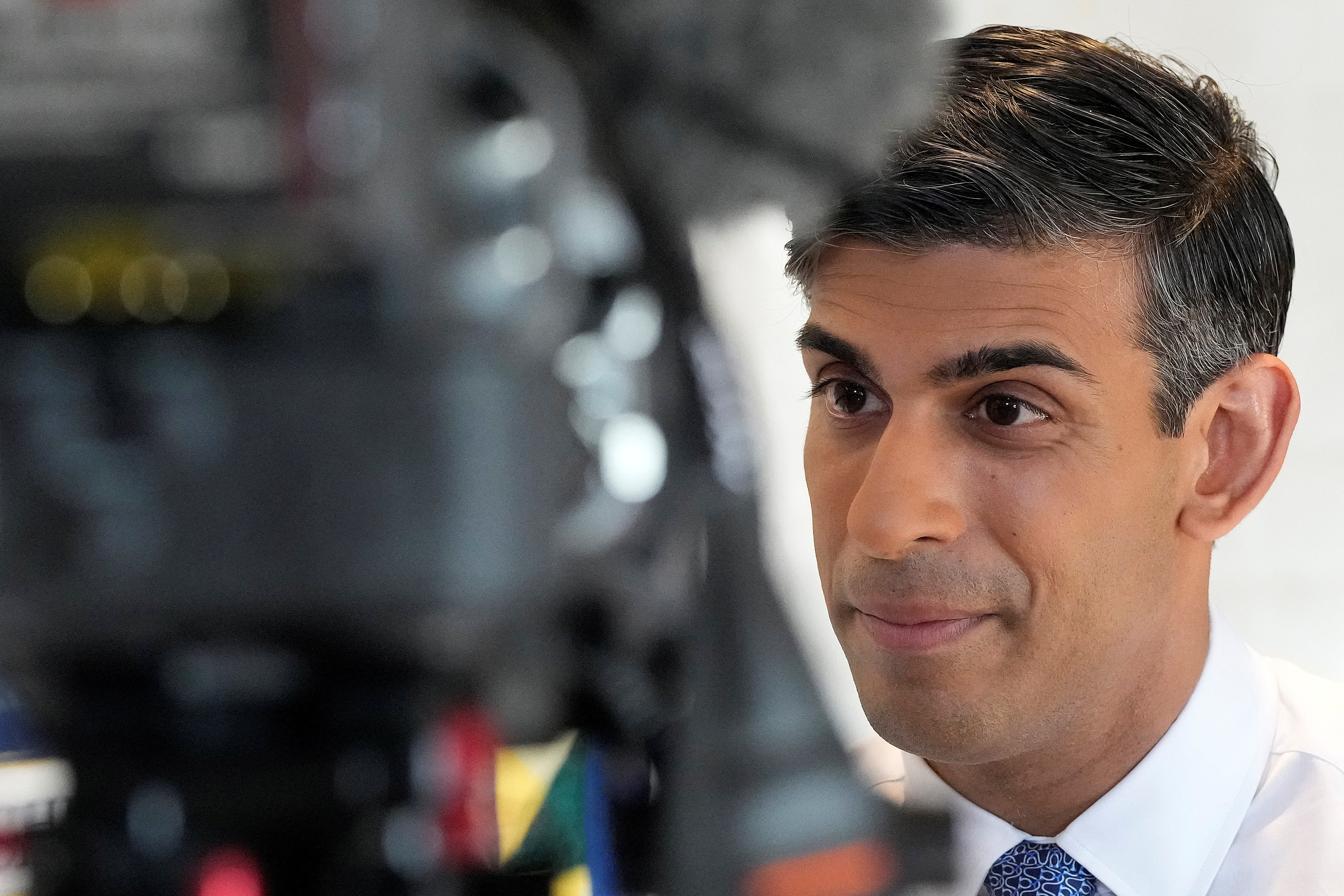
Sunak has attempted to restore the Conservatives’ credibility since becoming prime minister and his party’s third leader in a year, following Boris Johnson’s scandal-plagued premiership and the chaotic economic policies that brought Liz Truss down within two months.
Sunak’s party lost control of dozens of councils in what Plymouth MP Johnny Mercer described as a “terrible” night for the Conservatives.
Labor made gains in some areas that supported leaving the European Union in the 2016 Brexit referendum, which it will need to win over if it is to gain a majority in the next parliament.
“Make no mistake, we are on course for a Labour majority at the next general election,” Starmer said during a visit to Medway, one of the councils it won.
