


Prime Minister will hand police new powers to target ‘nuisance’ beggars and rough sleepers
Rishi Sunak plans to crack down on begging as part of his anti-social behavior campaign.
The Prime Minister will announce a slew of new powers that will allow police to crack down on beggars who are causing “public distress.” This could include blocking store entrances and requesting money at cash machines.
Police officers and local government employees will be able to confront “nuisance” beggars and order them to leave while encouraging them to seek shelter and mental health care.
Another new offense will be introduced for criminal gangs that organize begging networks, which Whitehall officials believe are frequently used to facilitate illegal activities.
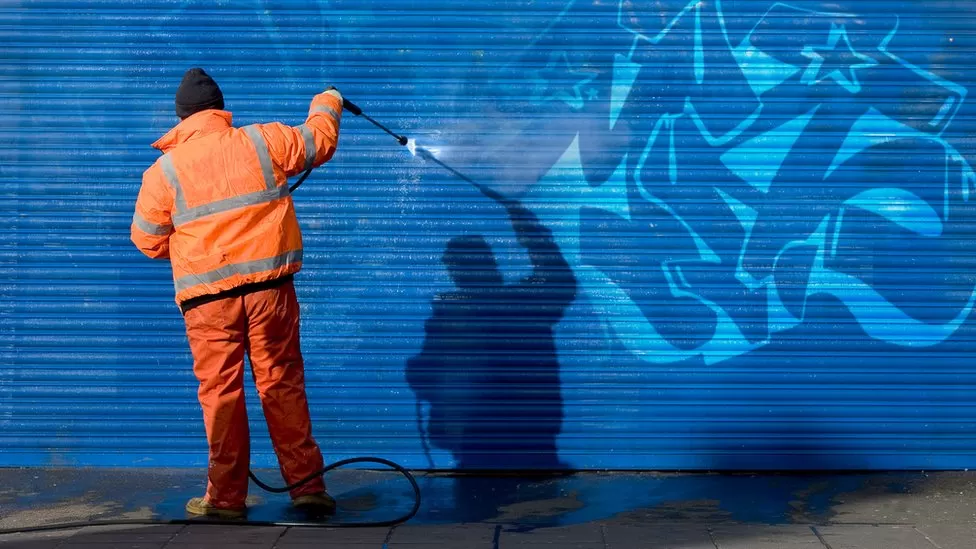
Mr. Sunak announced a broader crackdown on crime on Monday, including a ban on laughing gas and a requirement for offenders to begin cleaning up graffiti within 48 hours.
It comes just weeks after Labour leader Sir Keir Starmer unveiled a slew of policies aimed at combating anti-social behavior.
Following Brexit and small migrant boat announcements, the Conservatives have been eroding Labour’s poll lead in recent weeks.
According to private research conducted by the party, its reputation for law and order remains one of the few potential trump cards to win over swing voters ahead of the next general election.
The new laws are intended to ensure that police take action against beggars who are causing a nuisance to the public.
The Georgian-era Vagrancy Act, which they will replace, criminalized all rough sleeping but resulted in little to no law enforcement in practice.
Mr. Sunak will announce his new policies on Monday, saying, “Anti-social behavior undermines the basic right of people to feel safe in the place they call home.”
“The public has had enough, which is why I am determined to restore people’s trust that those responsible will be punished quickly and visibly.”
“This action plan outlines how we will address this issue with the urgency it deserves and eliminate these crimes once and for all so that everyone, no matter where they live, can feel safe and proud of their community.”
It comes just a week after the Met Police was chastised for being homophobic, sexist, and misogynistic. Senior Conservatives, however, believe the public is equally concerned about a perceived lack of action on anti-social behavior.
According to the government’s annual rough sleeping statistics, an estimated 3,069 people were rough sleeping on any given night in autumn last year, a 26% increase from the previous year.
According to figures released last month by the Department for Levelling Up, Housing, and Communities, 99,270 households were in temporary housing at the end of September.
Despite the Government’s ban on evictions, at least 130,000 households in England were made homeless during the first year of the Covid pandemic. According to the charity Shelter, the most common triggers were being unable to stay with friends or family, losing a private tenancy, and domestic abuse.

Charities such as Crisis have criticized the Vagrancy Act for criminalizing homelessness and begging, arguing that people on the streets should be helped rather than prosecuted.
The Act was formally repealed in April of last year as part of the Police, Crime, Sentencing, and Courts Bill, but it remains in effect until its replacement takes effect.
Offenders wearing jumpsuits will be forced to wash police cars as part of the new crackdown, which will begin in 10 areas before spreading across England and Wales next year.
Victims and local communities will have a say in the type of punishment meted out to those who engage in anti-social behavior.
Laughing gas will be prohibited, and police patrols in high-crime areas will be increased, while landlords will be given new powers to evict disruptive tenants.
