


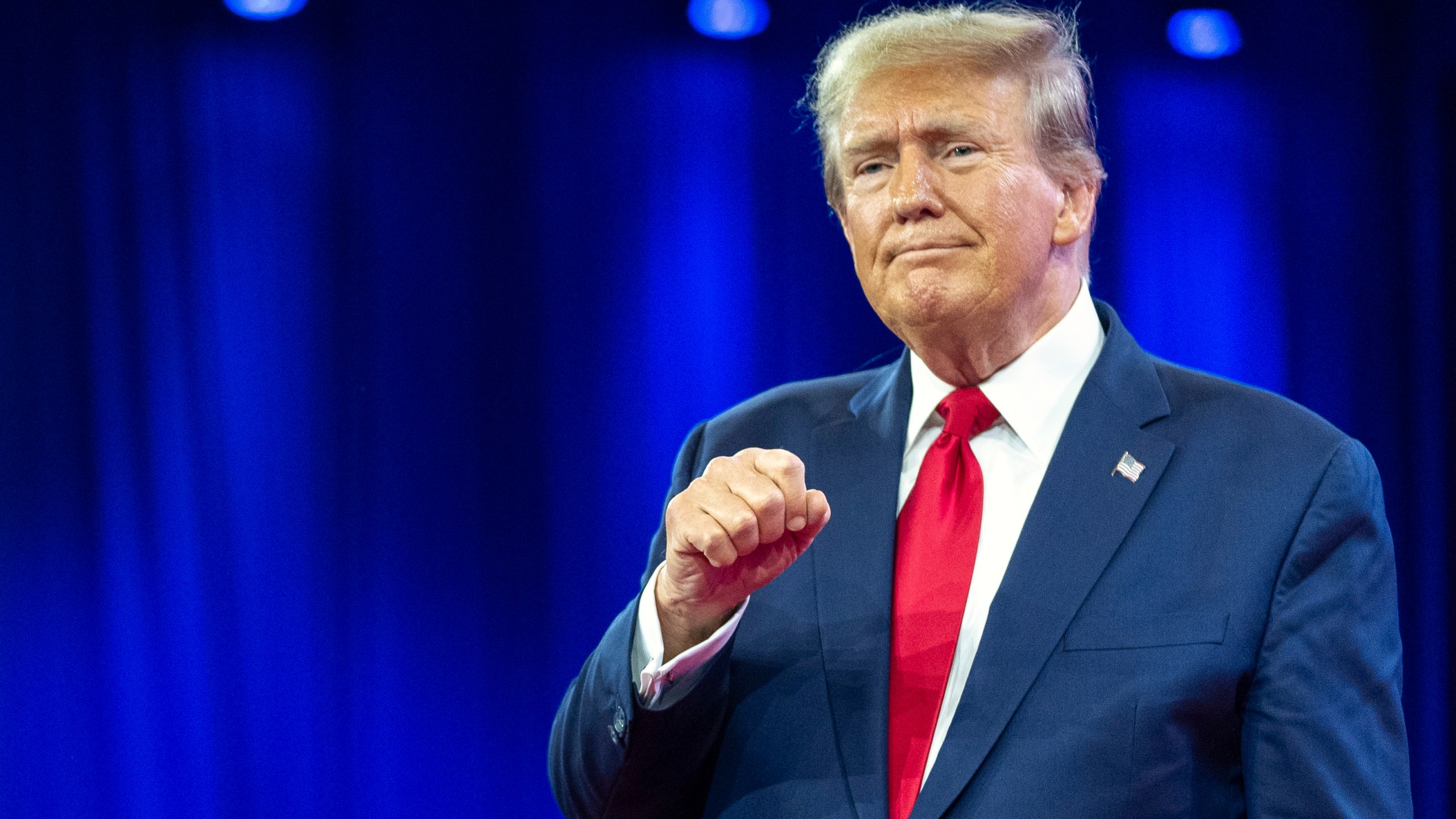
The US Supreme Court made a significant decision on Monday that could impact Donald Trump’s potential return to the White House, unanimously overturning a state court ruling that might have prevented him from running for office due to his involvement in the insurrection.
This crucial ruling comes just ahead of the Super Tuesday primaries, anticipated to solidify Trump’s path towards securing the Republican nomination to challenge President Joe Biden in November. The case represents the most significant election-related matter heard by the court since it intervened in the Florida vote recount back in 2000, a dispute that ultimately led to George W. Bush’s presidency.
The case centered on whether Trump could be disqualified from appearing on the Republican presidential primary ballot in Colorado because of his alleged role in the January 6, 2021 Capitol attack. In a unanimous 9-0 decision, the predominantly conservative court deemed that “the judgment of the Colorado Supreme Court… cannot stand,” thus allowing the 77-year-old former president, the frontrunner for the Republican nomination, to feature on the state’s primary ballot.
The origins of the case trace back to a December ruling by the Colorado Supreme Court, which invoked the 14th Amendment and argued for Trump’s removal from the ballot due to his involvement in the Capitol assault. The 14th Amendment prohibits individuals who engaged in “insurrection or rebellion” from holding public office after swearing to uphold the Constitution.

During the court proceedings, justices expressed reservations about granting individual states the authority to determine presidential ballot eligibility. In its ruling, the Supreme Court emphasized that the responsibility for enforcing Section 3 of the 14th Amendment against federal officeholders and candidates lies with Congress, not state entities.
The 14th Amendment, ratified post-Civil War in 1868, aimed to prevent supporters of the Confederate states from holding federal positions. With three justices nominated by Trump, the Supreme Court’s involvement in political matters has assumed prominence in this year’s presidential election.
Apart from the Colorado case, the Supreme Court is set to deliberate on Trump’s immunity from criminal prosecution as a former president and his charges related to the 2020 election. Trump’s legal battles extend to New York and Florida, where he faces charges ranging from covering up payments to a porn star to withholding classified documents after leaving office.
The oral arguments in the Colorado case underscored the potential implications of disqualifying candidates from ballots, prompting concerns about widespread disenfranchisement. Chief Justice John Roberts cautioned against upholding the state court ruling, warning of potential disqualification proceedings targeting candidates from all political affiliations.
