


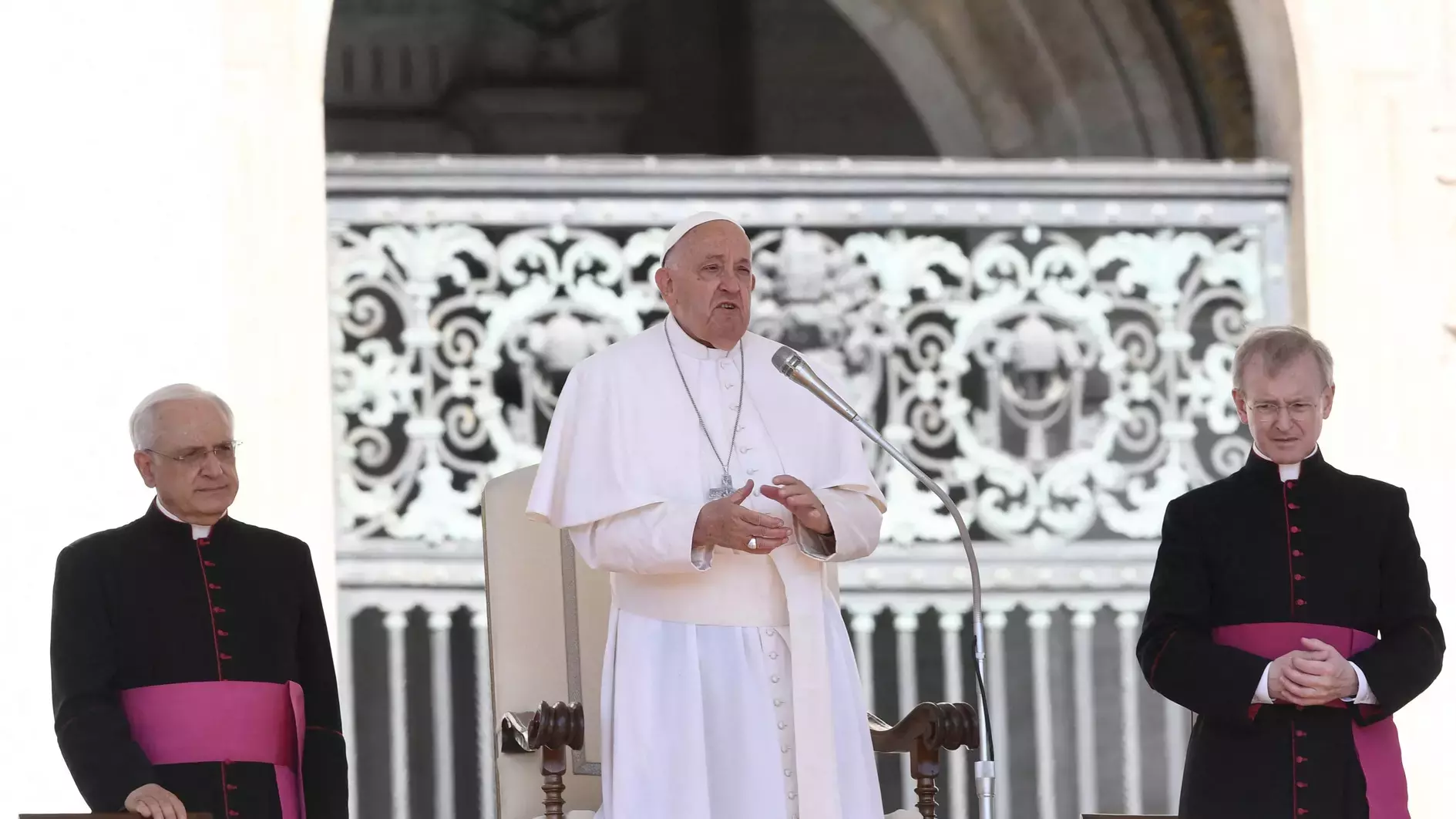
Pope Francis is set to address G7 leaders on Friday about artificial intelligence (AI), marking the first time a head of the Catholic Church will speak at a G7 summit. Despite his age and the traditional nature of his role, the pope views AI as a significant challenge for humanity.
Paolo Benanti, a Franciscan university professor and UN AI advisory body member who advises the pope directly, emphasizes that the Church is concerned not just about AI as a technical tool but also about its impact on human life.
The pope’s interest in AI was evident during the Church’s World Day of Peace on January 1, where he highlighted its potential benefits but also warned about risks such as disinformation and inequality.
Francis has called for an international treaty to regulate AI development and usage to prevent harm and promote best practices.
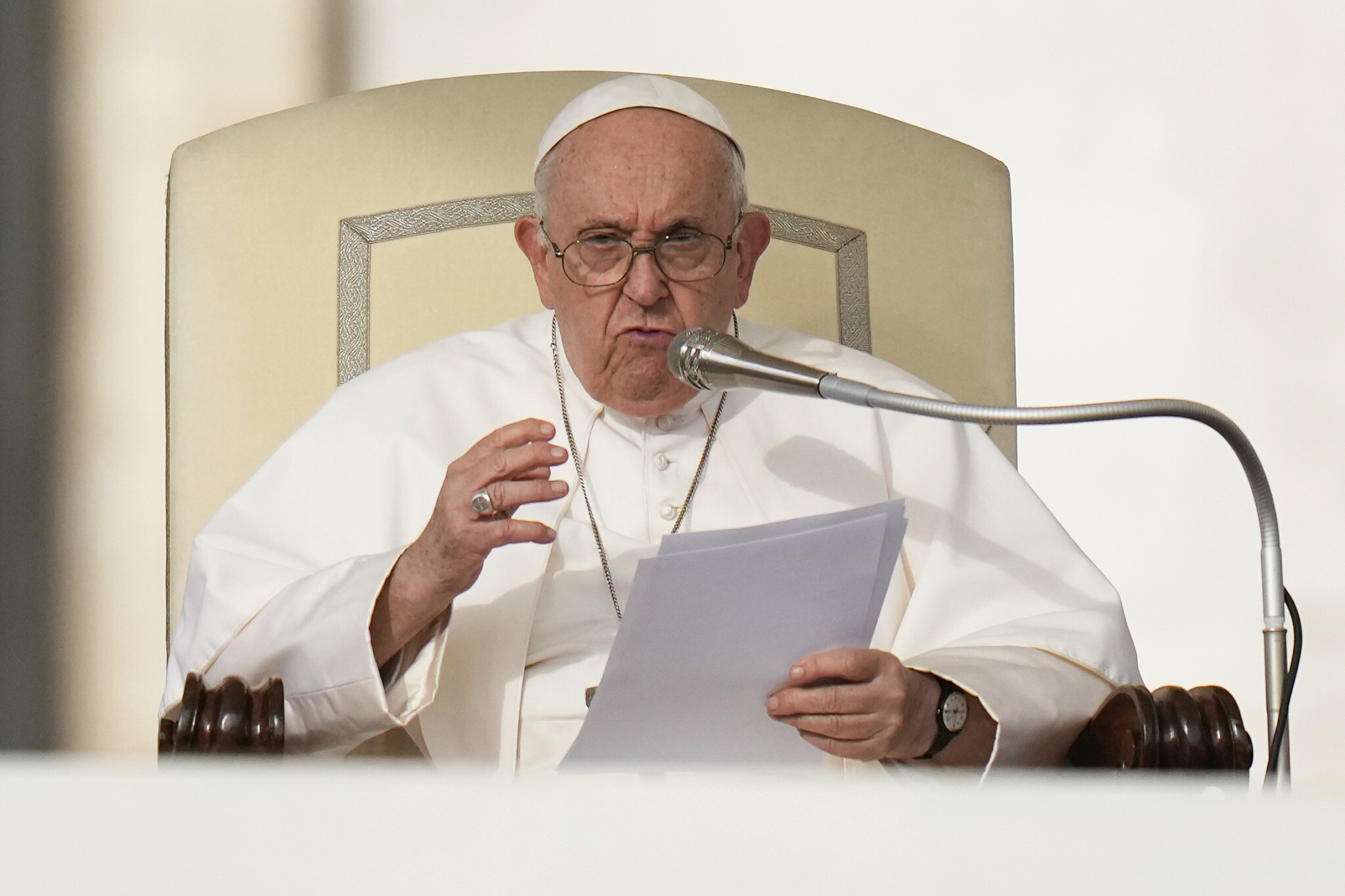
In response to the rapid growth of AI, governments and organizations worldwide are developing regulations and ethical guidelines. The European Union recently approved comprehensive rules governing AI, while G7 leaders established a working group on AI’s responsible use.
Host country Italy has made AI a focal point of this year’s summit, particularly its impact on jobs and its human-centered approach.
The Vatican has engaged experts like Demis Hassabis from Google DeepMind to deepen its understanding of AI and promote ethical practices. The pope’s address at the G7 summit is expected to emphasize the need to protect the most vulnerable and to regulate AI without instilling undue alarm.
Despite his spiritual leadership, the pope’s influence extends beyond religion due to the Vatican’s neutrality and absence of vested interests in technology. This neutrality allows the Church to advocate for AI’s ethical use solely for the benefit of humanity.
In essence, Pope Francis’s address on AI reflects his concern for humanity’s well-being and his desire to ensure that technological advancements serve the common good.
