


ECOWAS Minister Cautions U.S. Over Proposed Visa Restrictions
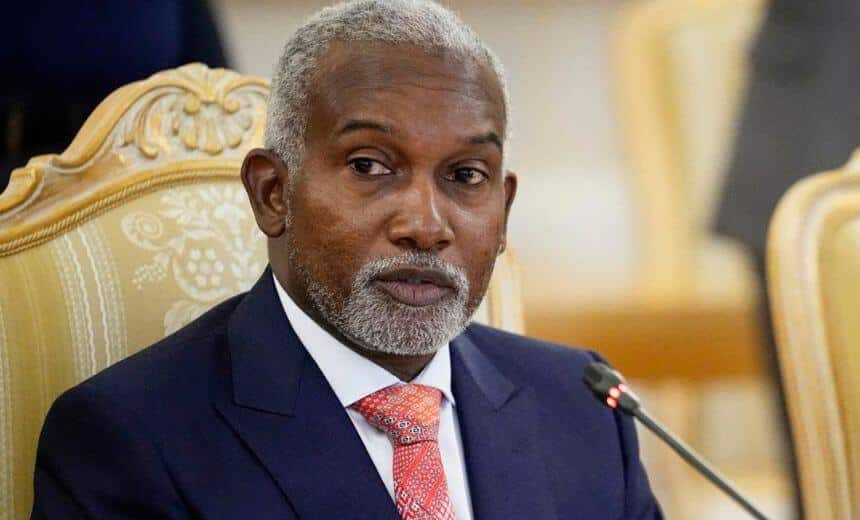
Yusuf Tuggar, Nigeria’s Minister of Foreign Affairs and Chair of the ECOWAS Mediation and Security Council, has voiced concern over reports that the United States is considering visa restrictions that could impact all member countries within the West African bloc.
Speaking during the 54th session of the ECOWAS Mediation and Security Council in Abuja, Tuggar shared his unease about the possible travel bans, warning that such measures could harm not just diplomacy, but business ties as well.
“If this goes through, it would be a real setback,” he said. “We’re a region full of potential, ready for meaningful partnerships. Restrictions like this only get in the way.”
Tuggar pointed out that the ECOWAS region is rich in resources that are essential to global industries, including rare minerals. He specifically mentioned Samarium—a rare earth element found in his home state of Bauchi—as one example of what West Africa has to offer.
“We’ve been part of global trade long before today’s systems took shape,” he noted. “And we remain eager to work with any country that supports open and fair collaboration.”
He stressed that ECOWAS countries remain open for business and are looking for partners who are serious about building lasting economic ties—not putting up roadblocks.
“There’s a real chance here for the U.S. and West Africa to work together based on mutual needs. But deals can’t happen if key players are kept from moving freely,” he added.
This concern arises as reports surface of a potential travel ban targeting multiple African nations, including key ECOWAS members like Nigeria, Ghana, and Côte d’Ivoire. The proposed policy reportedly stems from concerns around document verification and identity systems in some of these countries.
A leaked memo suggests these nations have 60 days to meet new requirements or face restrictions. For ECOWAS leaders, however, the broader worry is how such a move could shake investor confidence and disrupt regional unity.
As the clock ticks, officials across the region are urging dialogue and caution—emphasizing that cooperation, not exclusion, should guide international relationships.
