


Today, the drums will stop beating, the pipers will stop playing, and the march of boots along procession routes will stop for two minutes.
There will be quiet for two minutes today at the conclusion of the funeral service at Westminster Abbey before the national anthem is played and before the casket is removed for committal and burial in Windsor.
Additionally, a door will close.
Seven decades of rule will come to an end. We have been talking about the Queen and the new monarch as if they could both possibly be with us for the past ten quite perplexing days.
This day marks the end of that protracted week of adjustment.
A new Elizabethan Age was heralded in the early years of her rule by some. Following the depressing gray of the depression years, the sacrifice of World War Two, and the difficult path to recovery after it, there was such excitement about the youthful queen, the wonders of science, and the new wealth.
She rejected all of that stuff since she was savvy to changing fashion in her early years. Who are we to disagree with her? But if this wasn’t an age, then it was the Elizabethan Era.
She served as consistency during decades of dramatic upheaval for a nation that is still largely conservative. That face on the stamps, that voice throughout the holiday season, and that bent head on Remembrance Day.
The door closes on that today.
It closes on “Prince” Charles as well, ending his many years as the Prince of Wales.
His employees consistently recoiled at the notion of him as an apprentice or understudy, citing his decades of success in establishing a unique position.
Once Royal Mourning is ended, one of his challenges will be to demonstrate that he appreciates playing the position of king by taking pleasure in it.
His mother was aware that part of his employment was motivating others, distracting them from their worries about money, boring tasks, and grumpy relatives, as well as occasionally delighting them.
It is beyond dispute that he was a wonderful prince who improved the lives of many people. But frequently there was also the implication that things were bad and that there were numerous reasons to be unhappy. It felt like the word “appalling” was used frequently.
The door now closes on that. The best parts of the British people want to be represented in their monarch.
And as Westminster, the nation, and the rest of the world fall silent, the door closes on Elizabeth, the woman who is simultaneously well and poorly known, the young girl her grandfather refers to as Lilibet.
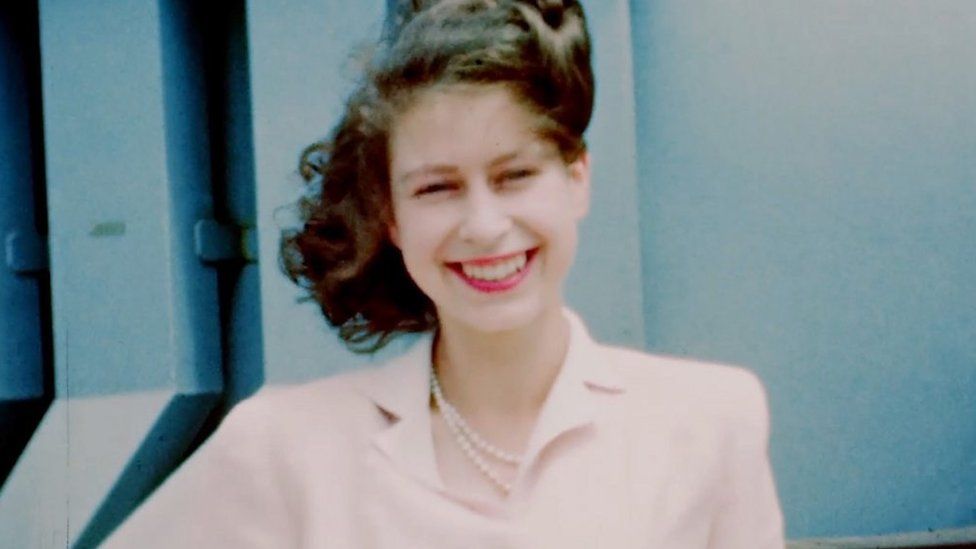
Lilibet prattles and dances, plays practical jokes, and smiles in The Unseen Queen, a stunning BBC documentary featuring family-shot footage of the little princess. Her laughter is visible in her eyes.
They sparkle with love for her husband Prince Philip, who would spend so much time by her side, as well as her father, the king, who would pass away so suddenly.
That prancing, dancing, and loving girl and young woman over the years had to be hidden for practical reasons. This past week, she received reassurances that Lilibet was always there from her friends, confidantes, and the members of the public she revealed the secret to.
She gave a brief overview of the film.
She remarked of the family movies, “You always hope that future generations would find them interesting and possibly be shocked that you too were young once.”
Nobody should be overly shocked. Because in her final months, the youthful Elizabeth, the Lilibet, reappeared in the public spotlight, pulling a marmalade sandwich from her handbag with a mischievous twinkle in her eye.
The purse is shut. The sparkle is no longer there. The door now swings shut.
Source: BBC News
