


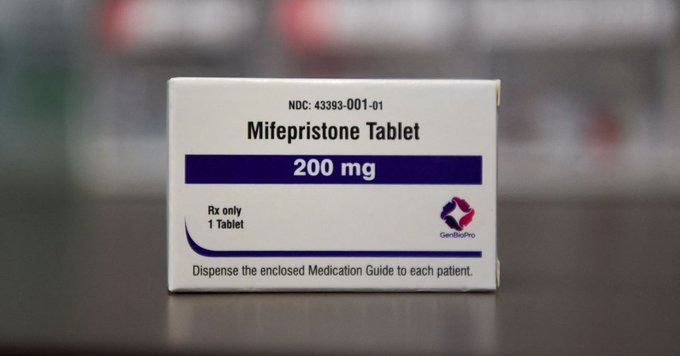
The United States Justice Department is racing this week to persuade a federal appeals court, or perhaps the United States Supreme Court, to stay a judge’s order suspending the government’s approval of the abortion pill mifepristone, which is used in more than half of all abortions in the country.
However, even if those legal efforts fail and last Friday’s order by U.S. District Judge Matthew Kacsmaryk in Amarillo, Texas becomes effective, effectively rendering the drug unapproved, the U.S. Food and Drug Administration could still allow access to the drug, according to legal experts.
The FDA, which is in charge of protecting public health by ensuring drug safety, efficacy, and security, is also facing an order issued minutes later on Friday by a separate federal judge in Washington state prohibiting the federal agency from changing the availability of mifepristone.
According to experts, the contradictory rulings may give the FDA reason to maintain the status quo while the government’s appeal is heard and declare that drug companies and doctors will face no legal consequences for producing or prescribing mifepristone.
“One way the FDA could comply with this is to do nothing, to use its enforcement discretion to say we can’t satisfy both judgments,” Rachel Rebouche, dean of Temple University’s Beasley School of Law, explained.
The FDA has the authority to order manufacturers to remove unapproved drugs from the market, and if a manufacturer fails to comply, the agency has the authority to take the drugmaker to court.
However, the agency must make the best use of its resources and has a history of failing to act when there is a low risk to the public. The FDA estimates that thousands of drug products are being marketed illegally without FDA approval, including those that were available prior to the Food, Drug, and Cosmetic Act in 1938
In 2011, the FDA issued guidance for prioritizing action against unapproved drugs, stating that it would prioritize those that pose potential safety risks, are ineffective, are fraudulent, or are designed to avoid FDA enforcement.
The FDA, which has stated that it believes mifepristone is safe and effective, has declined to comment.
According to Reuters, the Biden administration is planning to assist mifepristone manufacturers.
CONTRADICTORY RULINGS
In 2000, the FDA approved mifepristone, the first of a two-drug regimen to terminate a pregnancy within the first 10 weeks.
Kacsmaryk suspended FDA approval of mifepristone on Friday in response to a lawsuit filed by anti-abortion groups alleging that the agency approved the drug in an illegal manner and did not adequately consider its safety. Minutes later, U.S. District Judge Thomas Rice in Spokane, Washington, barred the FDA from changing the drug’s current availability. His decision applies to the 17 states and the District of Columbia that filed a lawsuit against the government in an attempt to loosen the special safety restrictions surrounding the pill.
Both rulings are temporary and do not address the merits of the cases.
Kacsmaryk postponed his decision until Friday to give the Biden administration, which supports abortion rights, time to file an appeal.
1985 PRECEDENT
However, even if the abortion pill’s approval is suspended, the FDA has the precedent to do nothing, according to legal experts.
“They don’t have to drop everything and remove mifepristone from the market,” Evan Bernick, a law professor at Northern Illinois University, said. “They haven’t done that with other drugs; they’ve prioritized on the basis of the safety risk, and mifepristone has a proven track record of safety.”
Inmates sentenced to death by injection filed a lawsuit against the FDA forty years ago because the agency refused to prevent the administration of certain drugs in executions, which allegedly violated their approved use.
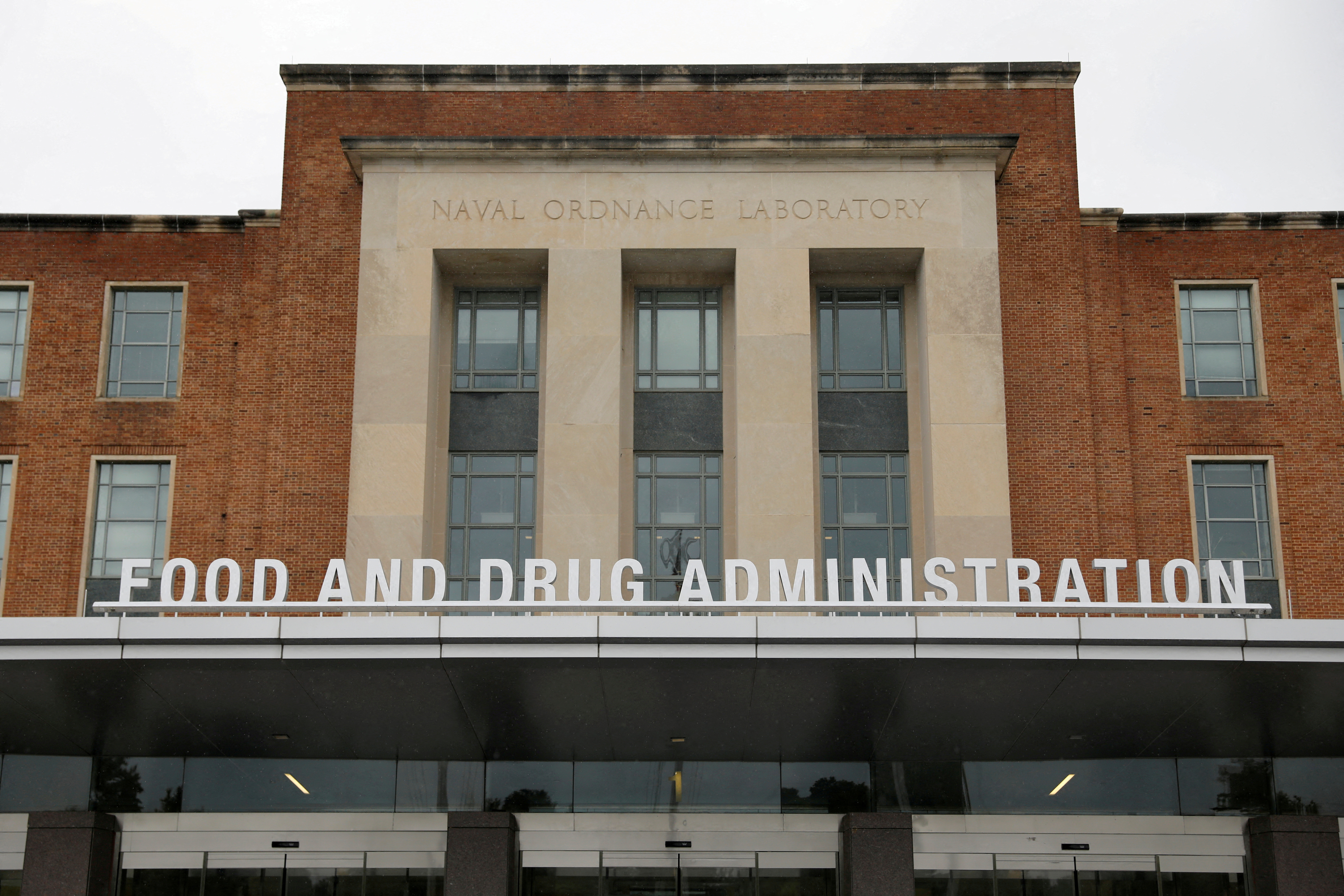
The case, known as Heckler v Chaney, reached the Supreme Court, which unanimously ruled in 1985 that judges should not review the FDA’s resource allocation decisions.
“I would hope that the administration recognizes this as an opportunity to do what they have been saying they would do, which is to take all steps available to them to maintain access to this drug,” said Phil Katz, an attorney for mifepristone manufacturer Danco Laboratories, which is also appealing the Texas ruling.
According to an attorney for the Alliance Defending Freedom, which represented the plaintiffs in the Texas case, if Kacsmaryk’s ruling is upheld, manufacturers will be unable to produce mifepristone, and the FDA would be “extremely dangerous” to suggest otherwise.
“The whole problem here is that the FDA didn’t follow regulations and rulemaking in the first place,” said Denise Harle.
In his Friday ruling, Kacsmaryk mentioned the 1985 case briefly, saying that the FDA “cannot shield their decisions from judicial review simply by characterizing the challenged action as exercising ‘enforcement discretion.'”
Rebouche stated that she did not believe Kacsmaryk’s discussion of the 1985 case affected the FDA’s authority.
“The FDA’s enforcement discretion is established by prior precedent,” said Rebouche. “That case law would have to be overturned, which is not impossible but would represent a significant shift in federal agency authority.”
