


Niger’s Military Coup Disrupts UN Humanitarian Efforts Amid Growing Concerns.
The ongoing military coup in Niger is causing significant disruptions to the United Nations’ humanitarian operations. Closures of borders and airspace pose a severe threat to the supply chain for essential medicine and food, according to a statement from a UN representative.
In response, UN aid agencies are working tirelessly to replenish diminishing stocks, a task that has been further complicated by regional sanctions. This intricate situation raises concerns over the potential increase in the number of people requiring assistance, as highlighted by Louise Aubin, the UN’s humanitarian chief in Niger. She emphasized the urgency of the situation, underlining that basic necessities like food, vaccines, and cash are at risk.
Aubin voiced her worries, stating, “Some people will soon be feeling the pinch of this… More than the 4.3 million individuals initially targeted for emergency humanitarian aid could find themselves in need, and this number could grow rapidly.”
The current climate underscores the fragility of the region’s humanitarian landscape. As the country navigates the complexities of a military coup, the efforts of aid organizations become all the more crucial in mitigating the potential consequences that could affect countless lives.
I'm very concerned about the situation in #Niger and its potential humanitarian implications.
Already 4.3 million people need aid.
The international community needs to do everything it can to help them. pic.twitter.com/M6CoTKyH5Y
— Martin Griffiths (@UNReliefChief) August 7, 2023
On Monday, Martin Griffiths, the UN’s humanitarian chief, expressed deep concern over the state of affairs in Niger and issued a heartfelt plea to the global community to take decisive action in support of those in dire need. The potential ramifications of reduced humanitarian efforts in Niger could be nothing short of devastating. This is especially concerning given the country’s distressing child mortality rates, among the highest in the world, and its vulnerable rural communities, already grappling with the impact of a deadly rebellion.
Louise Aubin, who heads the UN’s humanitarian efforts in Niger, shared insights into the challenges faced on the ground. She revealed that the coup leaders’ decision to close the airspace in response to the West African regional bloc’s threat of potential military intervention had disrupted flights operated by the United Nations Humanitarian Air Service (UNHAS). Although the flights haven’t been entirely suspended, the situation is complex.
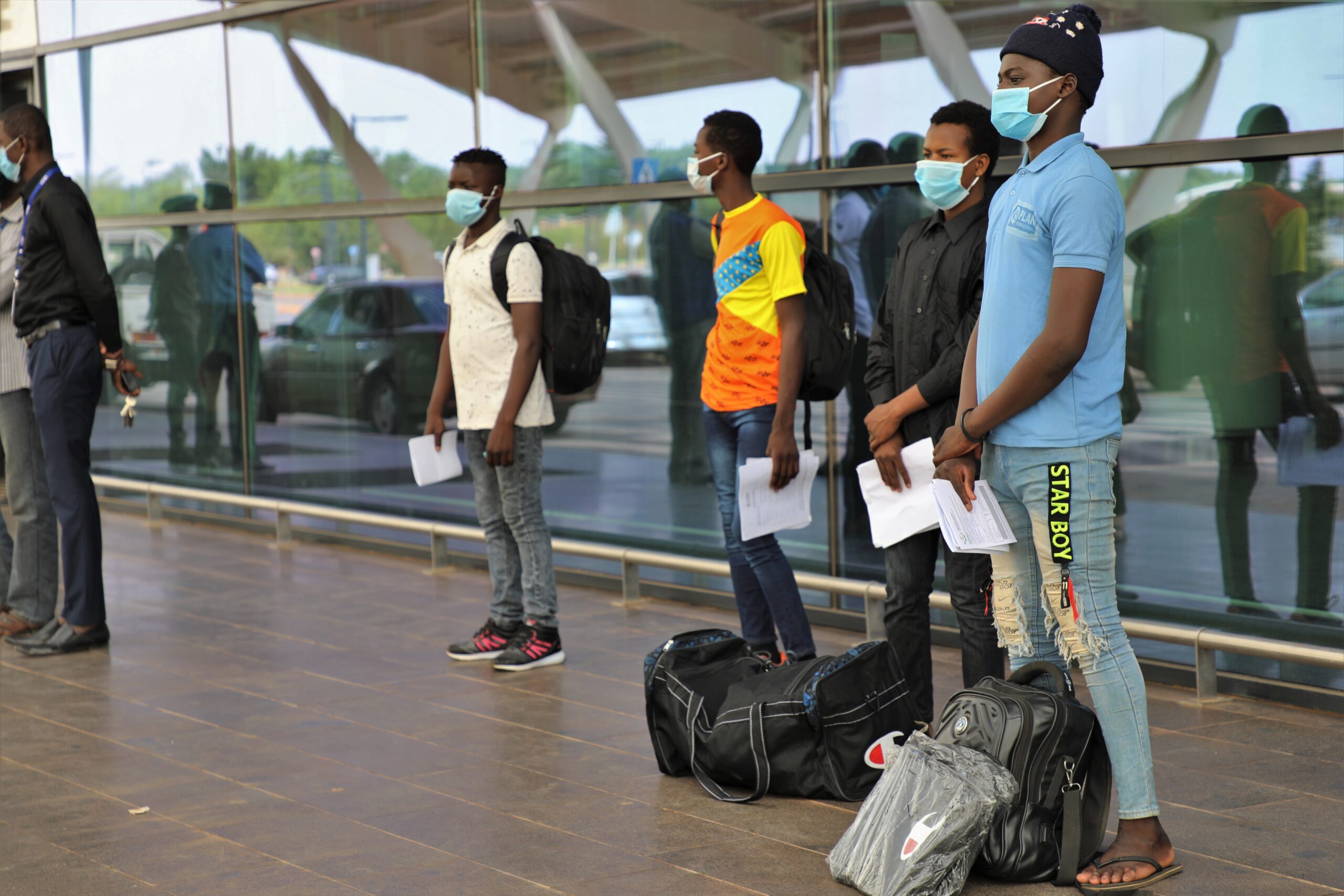
Aubin underscored that the combination of the airspace closure and the land border shutdown imposed by the Economic Community of West African States (ECOWAS) has cast uncertainty over the ability to replenish essential supplies in Niger. She explained the pressing nature of the issue, stating, “There are no flights coming in at the moment. So that is becoming an issue… Being able to mobilize food means obviously being able to bring in food from the outside.”
The precariousness of the situation extends to the availability of food products and vaccines. Aubin cautioned that these supplies deplete rapidly due to consistent operations aimed at assisting those in need.
To counter the impending shortages, UN agencies in Niger, including the World Food Programme, UNICEF, and UNFPA, are devising contingency plans. Their determination to continue their operations remains steadfast despite the challenges that lie ahead. In the face of adversity, the resilience and dedication of these organizations continue to shine, serving as a beacon of hope for Niger’s vulnerable populations.
Niger’s Military Leaders Caution Citizens Amidst Looming Concerns
Niger’s military authorities have issued a warning to their citizens, urging them to brace themselves for what might be demanding weeks and months ahead. The government is steadfast in its commitment to safeguarding the nation against potential threats.
ECOWAS, in the meantime, had set a deadline for the coup leaders until Sunday, August 6, to release and reinstate the ousted President Mohamed Bazoum, or else face the potential of a military intervention.
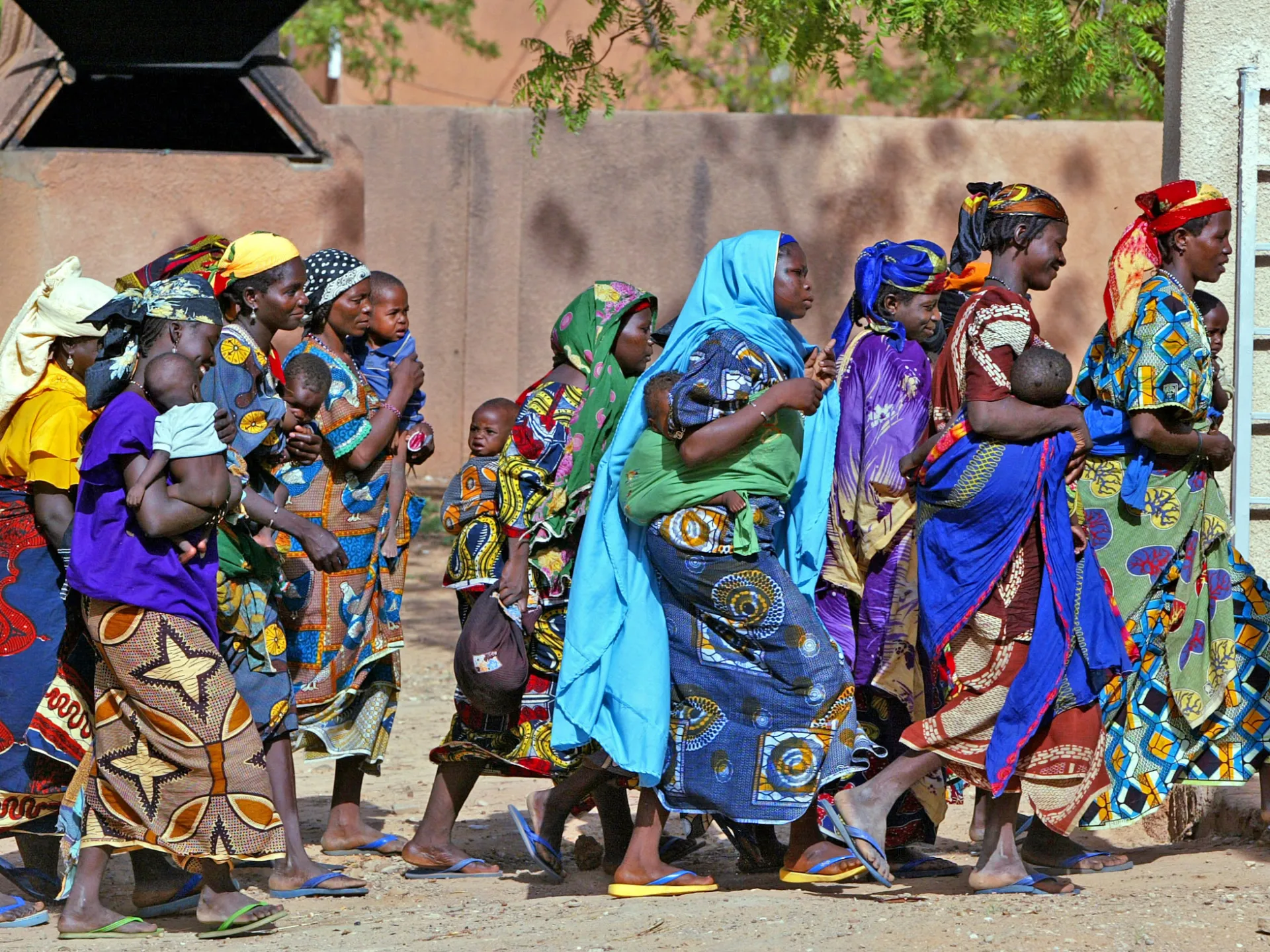
A convergence of representatives from ECOWAS, the UN, and the African Union was scheduled to convene in Niamey, the capital, on Tuesday. This gathering held the potential for pivotal discussions, as shared by an anonymous foreign official to The Associated Press news agency. The official noted that they were unable to speak on record due to authorization constraints.
The looming specter of military escalation adds an additional layer of complexity to the ongoing situation, potentially impacting humanitarian endeavors.
Louise Aubin, a key figure in the UN’s humanitarian efforts, recognized the possible challenges ahead. She emphasized the potential consequences for the people of Niger, stating, “The people of Niger are likely to suffer more,” highlighting the urgent need for a robust response to address the emerging challenges.
As uncertainty prevails and the nation navigates these trying circumstances, the well-being of Niger’s citizens remains a paramount concern, necessitating both preparedness and resilience in the face of potential adversity.
