


International Aid Agencies Urged to Resume Food Distribution in Ethiopia as Malnutrition Rates Soar.
Doctors Without Borders (MSF), a medical charity, has emphasized the need to resume food distribution by international aid agencies in Ethiopia due to the escalating rates of malnutrition. Last month, USAid and the UN World Food Programme (WFP) halted aid shipments to the northern region of Tigray and subsequently to the rest of the country. The decision was made after discovering that the food supplies were being diverted and sold in local markets instead.
During a brutal two-year conflict between Ethiopia’s government forces and the Tigray People’s Liberation Front, the region of Tigray faced severe shortages of food, fuel, cash, and medicines. The situation worsened, leaving the population in dire need.
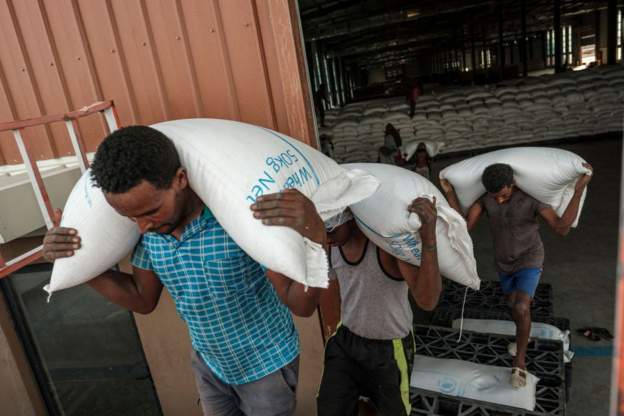
MSF stated that over 20 million people in Ethiopia heavily rely on food assistance, and even before the aid suspension, their medical teams observed alarmingly high levels of global acute malnutrition. Vulnerable communities are resorting to detrimental coping mechanisms such as selling assets in lieu of food, begging, and engaging in child labor.
According to Samreen Hussain, the medical coordinator at MSF, this critical situation will only deteriorate further with a prolonged suspension of food aid. The urgency to resume food distribution is crucial to address the mounting malnutrition crisis and alleviate the suffering of vulnerable populations in Ethiopia.
