


Professor Stephen Adei Urges NPP Government to Extend Apology to Ghanaians.
Professor Stephen Adei, a respected figure and former Rector of GIMPA, has made a significant call to the New Patriotic Party (NPP) government. He emphasizes the importance of President Nana Addo Dankwa Akufo-Addo and his administration offering a genuine apology to the citizens of Ghana for the challenges faced by the economy. While acknowledging that external factors might have influenced the nation’s economic condition, Professor Adei stresses the necessity of expressing remorse for the escalating economic struggles within the country.
In a candid assessment, he highlights a prevailing issue in the country’s governance, where neither the National Democratic Congress (NDC) nor the New Patriotic Party (NPP) is inclined to admit fault. Professor Adei describes this as a detrimental practice and suggests that acknowledging shortcomings and apologizing for the hardships endured should be a norm.
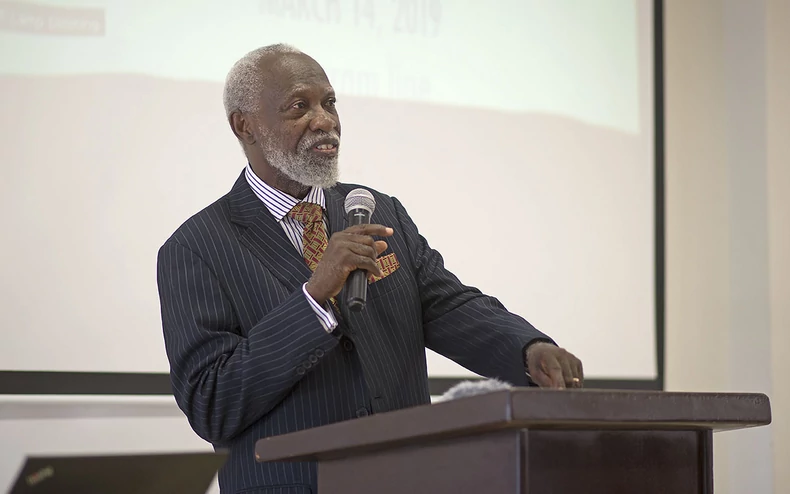
Speaking on Asaase Radio’s TownHall Talk, Professor Adei states, “I haven’t heard an explicit statement from the President or Minister of Finance Ken Ofori-Atta, that ‘we are sorry for what has happened to Ghana.’ Even if things went beyond our capacity, whether due to events like the Ukraine-Russia war or the COVID-19 pandemic, I would have expected the government to acknowledge the difficulties faced by Ghanaians. Apologizing for the challenges, even if caused by external economic circumstances, is important.”
Additionally, Professor Adei anticipates further economic challenges for Ghanaians post the 2024 elections. He suggests that citizens should prepare themselves for hardships and emphasizes the need to unite in accepting the realities that lie ahead.
Addressing a related matter, he offers advice to the Bank of Ghana, recommending the suspension of its plans to construct a new $250 million headquarters. With the country grappling with a deep economic crisis, Professor Adei believes that building a new headquarters is not prudent at this juncture.
While acknowledging the Bank of Ghana’s reasons for needing a new facility, he underscores that certain decisions are best deferred, considering the current economic climate. He expresses optimism that Ghana’s current challenges won’t last indefinitely and advises against major investments that may strain the already strained economy.
