


Zimbabweans Exercise Voting Rights Amid Economic Concerns
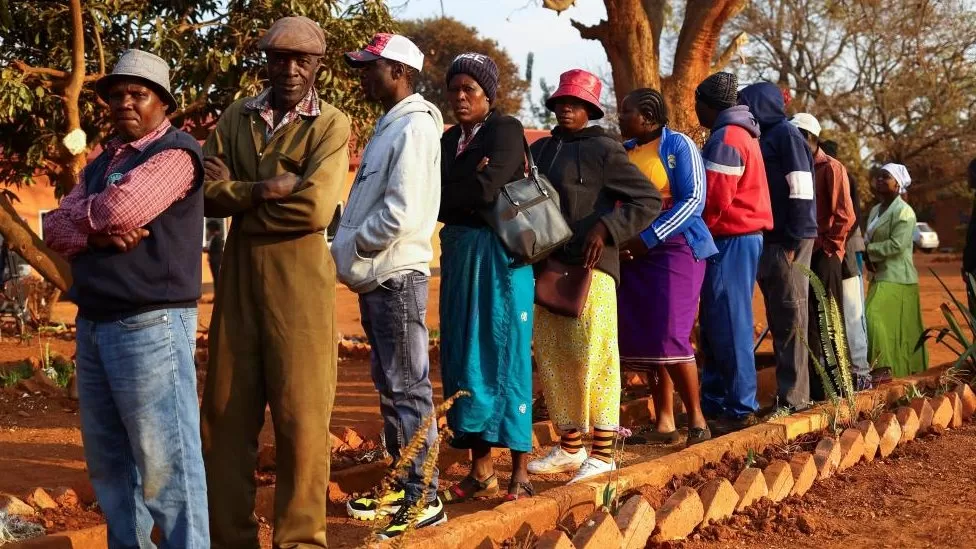
Zimbabweans have cast their votes in presidential and parliamentary elections, with a backdrop of soaring inflation dominating the campaign. People queuing at polling stations in the capital expressed their enthusiasm for participating in the democratic process.
Incumbent President Emmerson Mnangagwa faces ten challengers, including Nelson Chamisa of the main opposition Citizens Coalition for Change (CCC). To win the presidential race, a candidate needs more than 50% of the vote; otherwise, a run-off will be held in six weeks between the top two candidates.
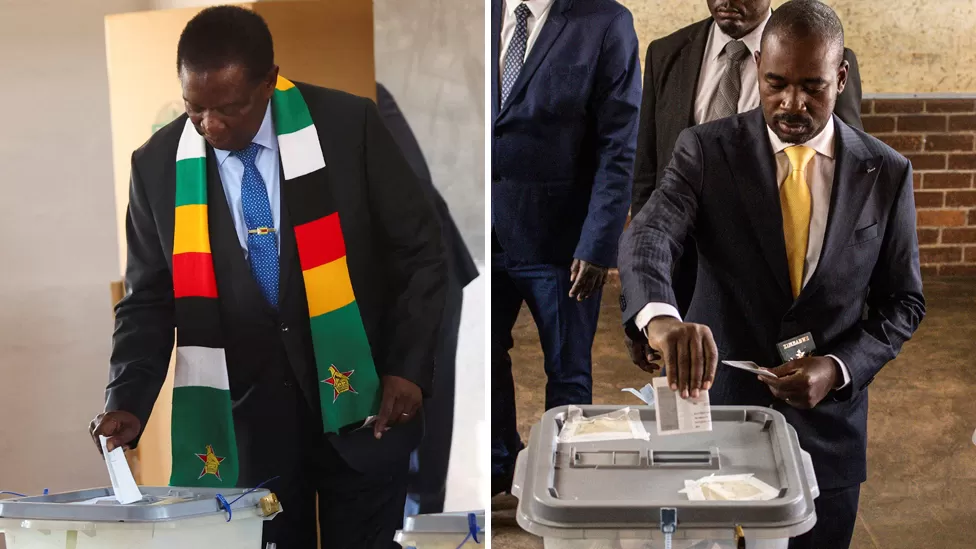
Voters have voiced their hopes for economic improvement, better infrastructure, education, and healthcare. Delays at some polling stations were attributed to late ballot paper deliveries due to legal challenges by local council candidates.
Despite the challenges, President Mnangagwa expressed confidence in winning, while Mr. Chamisa anticipated a new government. Allegations of fake leaflets urging a boycott and some disruptions were reported during the election.
This election is the first since the death of long-time ruler Robert Mugabe in 2019. It is crucial for President Mnangagwa, who aims to secure international approval to restructure Zimbabwe’s foreign debt and address the country’s economic issues.
The Zimbabwe Electoral Commission (Zec) issued warnings about wearing nail varnish on the left pinkie finger, marked with indelible ink after voting. Monitoring groups raised concerns about anomalies in the voters’ roll and last-minute boundary changes.
The presidential election results are expected within five days after polls closed at 19:00 local time (17:00 GMT).
