


What began as a peaceful memorial quickly spiraled into chaos on Wednesday, as thousands took to the streets of Kenya to mark one year since last year’s deadly anti-government protests. Demonstrators clashed with police in Nairobi and other towns, with reports confirming two deaths in the town of Matuu and several injuries across the capital.
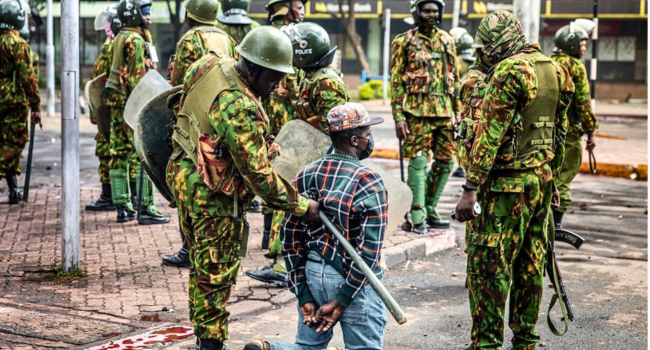
In Nairobi, crowds gathered with chants demanding the resignation of President William Ruto, voicing anger over police violence, economic hardship, and steep taxation. The mood shifted from solemn to defiant as some protestors hurled stones, while security forces responded with tear gas and water cannons. Barbed wire barricades ringed government buildings, and officers flooded the streets in a show of force.
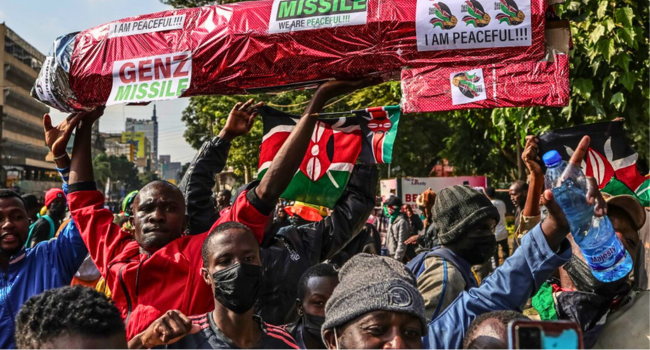
“We’re marching for justice—against brutal policing, economic oppression, and the rising cost of living,” said Anthony, a 25-year-old protester and street vendor. Like many others, he withheld his full name, wary of the consequences.
Last year’s demonstrations erupted after unpopular tax hikes and a worsening economic crisis pushed thousands of young Kenyans to the streets. The unrest climaxed on June 25, when protestors stormed parliament. At least 60 people were killed during those weeks, with security forces accused of using excessive and often deadly force.

This year’s anniversary protest carried echoes of that violence. In Matuu, roughly 100 kilometers from Nairobi, two people were reportedly shot dead. Meanwhile in the capital, one police officer and several protestors were injured, and a man suspected of being an undercover officer was roughed up by the crowd.
Despite government efforts to stifle the demonstrations—ordering a halt to live broadcasts and restricting access to platforms like Telegram—protests continued to swell, spreading beyond Nairobi to cities like Mombasa. Many on the ground expressed growing frustration not just with police brutality, but also with the general state of governance.
Florence Achala, one of the demonstrators in Nairobi, put it bluntly: “This system is broken. We need a full reset.”
The anger has been further fueled by the death of a teacher in police custody earlier this month and reports of “goons” on motorbikes—armed with whips and clubs—attacking peaceful demonstrators. Though they were absent during Wednesday’s protests, suspicion remains high.
A joint statement from several Western embassies, including the US, UK, and Germany, condemned the use of such tactics, warning against efforts to disrupt lawful assembly.
Legal analyst Javas Bigambo expressed concern that the unrest could be hijacked by political opportunists. “We should be remembering last year’s events with reflection and calm,” he said. “Instead, it feels like we’re walking into the same storm.”

President Ruto, who swept into power in 2022 with promises of economic revival, now faces growing discontent. Though he scrapped a controversial finance bill following last year’s uproar, many Kenyans feel little has changed. Rising taxes, persistent corruption, and forced disappearances—more than 80 reported by rights groups since last year—have led some to draw comparisons with Kenya’s authoritarian past.
On Tuesday, Ruto stood firmly by the police in a public address, showing no signs of backing down.
The streets, however, tell a different story—one of a generation that refuses to stay silent.
