


US Congress Moves to Sanction Nigerian Officials Over Religious Persecution Allegations
A new bill making its way through the United States Congress has placed Nigeria under global attention, proposing tough sanctions against politicians, judges, and security officials accused of enabling religious persecution.
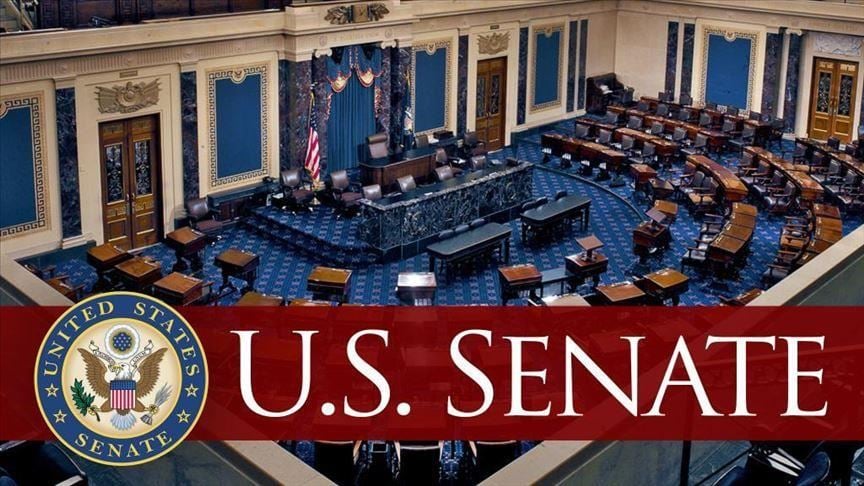
Sponsored by Republican Senator Ted Cruz, the proposed legislation, titled the “Nigeria Religious Freedom Accountability Act of 2025,” has already passed its second reading in the US Senate. It now heads to the Senate Committee on Foreign Relations for further consideration — a key step toward what could become one of Washington’s most hardline policy positions toward Nigeria in recent years.
The bill follows House Resolution 594, supported by 18 Republican lawmakers in the US House Committee on Foreign Affairs. It draws evidence from several international reports, including the Open Doors World Watch List 2025, which claims that:
-
Over 380 million Christians face persecution globally.
-
Nigeria accounts for 82% of the 4,998 Christians reportedly killed for their faith in 2023.
Additional findings from Vatican News and Genocide Watch reveal that between 2009 and 2023, more than 52,000 Christians and 34,000 moderate Muslims were killed in Nigeria, while about five million Nigerians were displaced due to religious violence.
Senator Cruz described the crisis as “endemic,” blaming it partly on jihadist extremism and the enforcement of Islamic law in some northern states. He urged Congress to act swiftly.
Nigeria Could Be Declared a “Country of Particular Concern”
One of the bill’s strongest provisions calls on the US Secretary of State to officially label Nigeria as a Country of Particular Concern (CPC) under America’s international religious freedom laws.
If approved, the move would trigger automatic restrictions on:
-
US military cooperation and arms sales
-
Economic and development aid
-
Intelligence sharing and training programs
Washington would also be required to publish an annual report naming:
-
Government and security officials linked to religious killings
-
Individuals enforcing or supporting blasphemy laws
-
Non-state actors involved in faith-based harassment or imprisonment
The first list would be released within 90 days of the law taking effect, with yearly updates thereafter.
12 Northern States Under Scrutiny
The bill specifically names 12 Nigerian states—Bauchi, Borno, Gombe, Jigawa, Kaduna, Kano, Katsina, Kebbi, Niger, Sokoto, Yobe, and Zamfara—for maintaining blasphemy laws that, according to the document, contradict international religious freedom standards.
It urges Nigeria to:
-
Repeal or amend such laws
-
Prosecute perpetrators of religious killings
-
Dismantle extremist networks
Failure to comply could keep Nigeria on the CPC blacklist indefinitely.
Judges, Governors, and Police May Face Penalties
The bill proposes severe sanctions, including visa bans, asset freezes, and criminal restrictions on:
-
Governors of affected states
-
Judges handling blasphemy-related trials
-
Police or prison officers enforcing religious rulings
-
Non-state actors accused of complicity in violence
It also covers high-profile blasphemy cases involving mob attacks, death sentences, and detentions in northern Nigeria.
Before advancing, the US House Subcommittee on Africa held hearings where Nigerian clergy, activists, and global observers testified about persistent attacks in areas like Plateau, Benue, and Southern Kaduna. Witnesses recounted that many communities live under constant threat from armed groups referred to locally as “bandits,” but classified as terrorists under US law.
China Reacts to US Move
The proposed sanctions have drawn criticism from China, one of Nigeria’s closest trade allies. Chinese Foreign Ministry spokesperson Mao Ning condemned the bill, saying, “As Nigeria’s strategic partner, China firmly opposes any country using religion or human rights as a pretext to threaten others.”
Analysts believe the issue could heighten US–China rivalry in Africa, where both powers are vying for diplomatic and economic influence.
Possible Impact on Nigeria
If enacted, the law could:
-
Halt or reduce US arms sales and military aid to Nigeria
-
Suspend joint training and intelligence operations
-
Restrict entry for senior Nigerian officials
-
Affect access to American defence and development programs
-
Strain diplomatic relations between the two countries
Nigeria could only be removed from the CPC list once verifiable progress is made — such as reducing attacks on Christians, revising blasphemy laws, dismantling extremist groups, and prosecuting offenders transparently.
What Happens Next
For the bill to become law, it must:
-
Undergo review and possible amendment by the Senate Foreign Relations Committee
-
Secure approval from the full Senate
-
Pass a corresponding version in the House of Representatives
-
Be merged into a single version
-
Be sent to the US President for signature or veto
Given the current political alignment — with Republicans controlling both the Senate and the House — analysts say the bill stands a strong chance of becoming law.
